

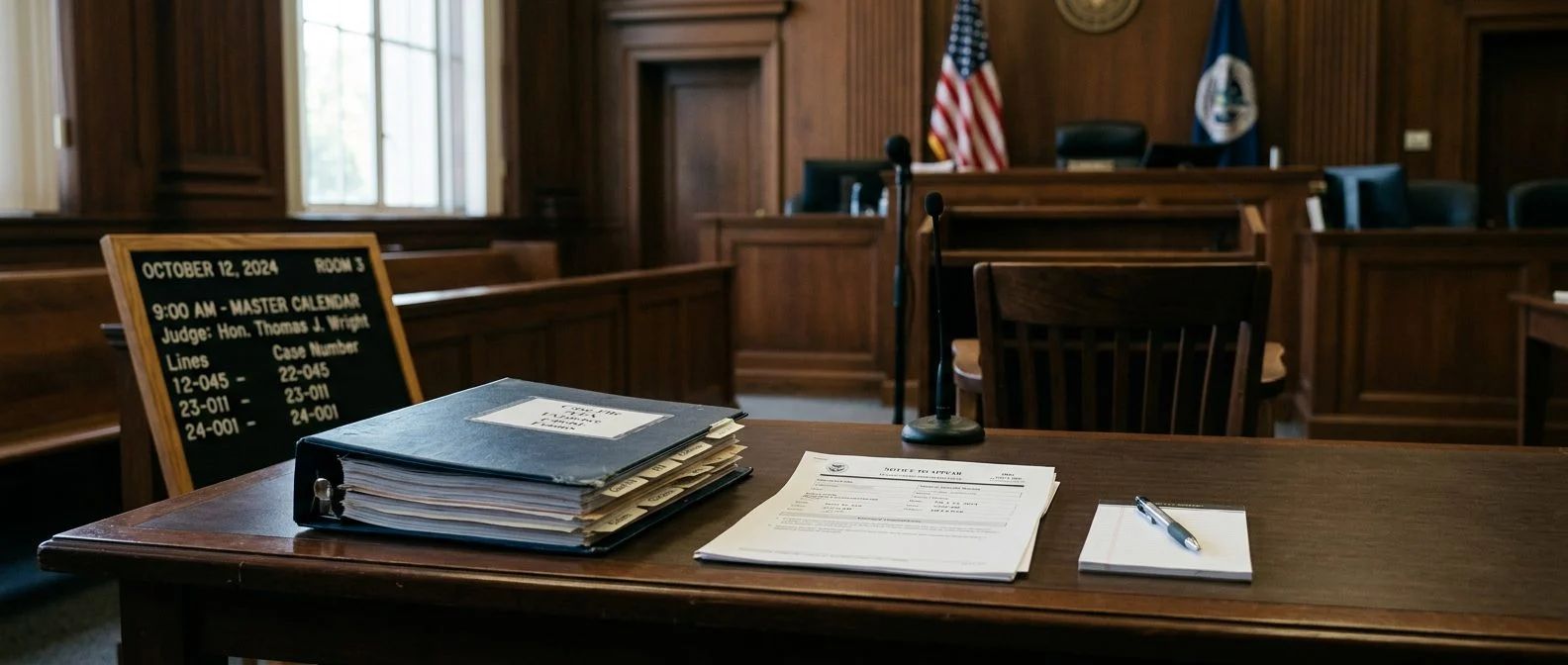
Deportation Defense | Removal Proceedings
Facing Deportation? Get Focused Defense From an Immigration Lawyer Who Knows Removal Cases
AG Immigration Law P.A. focuses on removal defense for immigrants in immigration court, with attention to every filing, hearing and option that may be available to you. Responsible attorney: Adriana Gomez.
By Adriana Gomez · Published October 28, 2026
Deportation Defense Lawyer
A deportation defense lawyer represents you in immigration court when the government asks a judge to remove you from the United States. AG Immigration Law P.A. focuses on removal defense for people in Florida. If you hold a Notice to Appear or a hearing date, this page explains what comes next.
If a Notice to Appear, hearing notice, or removal order just reached you, don't let the next date pass unreviewed. We can review your charges and deadlines with you now. Talk it through with our team — we can walk you through how a situation like yours is usually handled and what your options are.
What Removal Defense Covers and Who It Is For
Removal defense is representation in immigration court when the Department of Homeland Security (DHS) seeks to remove you from the country. These are civil immigration cases. They are separate from criminal court, even when a criminal record is part of the story.
When the proceeding ends, the immigration judge rules on whether you are removable from the United States, and that ruling must rest only on the evidence produced at the hearing. That makes the record you build in court very important.
This work fits people who:
- Received a Notice to Appear (NTA), the document that starts removal proceedings
- Have a master calendar or individual hearing on the court calendar
- Received a removal order and want to consider an appeal
- Have a relative who is in proceedings or in detention
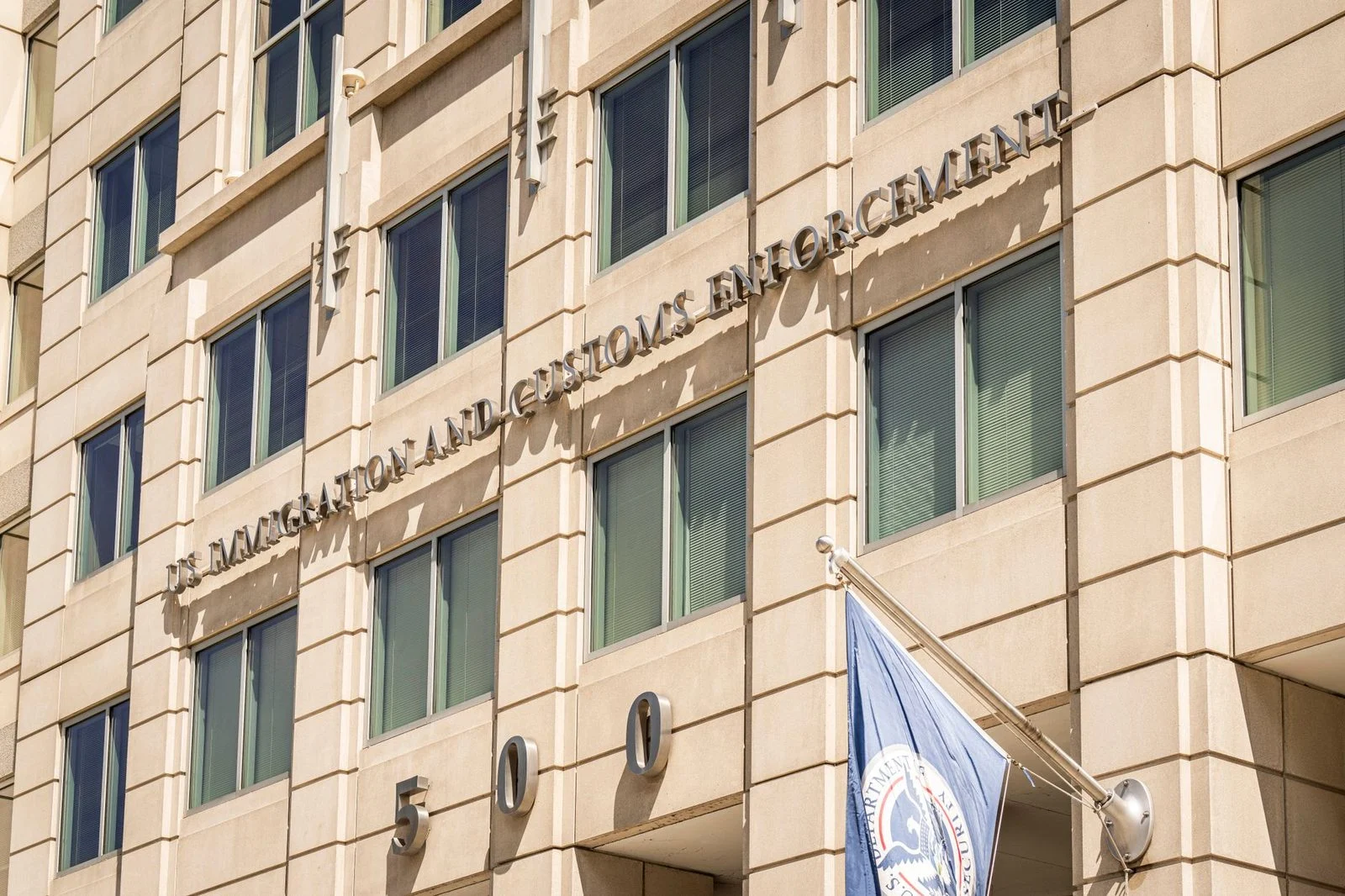
If a family member is held in ICE detention, the Online Detainee Locator System is the official ICE tool for finding them.
The firm focuses on removal defense. It also handles adjustment of status, family petitions, naturalization, removal of conditions on green cards, waivers, and BIA appeals, so related filings can be reviewed together.
What Representation Includes
Representation covers the court filings, hearings, evidence, and appeal steps tied to your case. Here is what that means in practice.
- Notice to Appear review. The notice must state the acts alleged, the charges, and the law the government says you violated. We explain each charge in plain words.
- Court filings. We prepare and file applications for relief.
- Hearings. You may be represented at the hearing by an attorney or other representative qualified under 8 CFR part 1292, under 8 C.F.R. § 1240.3. We appear at master calendar and individual merits hearings.
- Evidence. We organize identity documents, family records, work history, and country-condition information. If the judge decides that an applicant for relief should submit evidence corroborating otherwise credible testimony, that evidence must be submitted unless the applicant shows that they do not have it and cannot reasonably obtain it.
- BIA appeals. When a decision goes against you, we prepare the Notice of Appeal (Form EOIR-26) and the practitioner form the Board requires.
- Related matters. We review adjustment of status, family petitions, and removal of conditions when they affect your removal case.
How Immigration Court Proceedings Move Forward
Your case moves through a set of hearings, and each one has a specific job. Deadlines start running from the notice and from the decision.
- Intake. We review the charging document and any past immigration filings. Support staff handle scheduling and document intake.
- Master calendar hearing. The judge confirms the charges and sets dates for relief applications. The first hearing cannot be set earlier than 10 days after service of the notice, unless you ask for an earlier date in writing, under 8 U.S.C. § 1229.
- Preparation. We file applications and evidence by the deadlines the court sets.
- Individual merits hearing. Testimony and evidence are presented, and the judge decides removability and any relief.
- Decision and appeal. A judge who finds you removable and orders your removal must tell you about your right to appeal that ruling and about the consequences of failing to depart under the removal order. Most appeals to the Board of Immigration Appeals (BIA) are due within 10 calendar days, under 8 C.F.R. § 1003.38.
Missing a hearing is one of the costliest mistakes. The notice must warn you of the consequences of failing to appear, except in exceptional circumstances. A judge may order removal in your absence only if DHS proves notice was given and that you are removable by clear, unequivocal, and convincing evidence.
Timing varies with the court’s docket, so we explain the schedule for your specific matter.
Defenses and Forms of Relief Reviewed in Each Case
Each case is reviewed to see which forms of relief may apply, and each one has strict requirements. Eligibility depends on the facts, so we review your case before recommending a path.
- Cancellation of removal for certain permanent residents. Eligibility depends on the specific facts of each case, so contact our office to discuss your situation. For applicants other than those described in section 1229b(b)(2), the continuous period ends when the notice to appear is served, or when the alien has committed an offense referred to in section 1182(a)(2) that renders the alien inadmissible or removable, whichever is earliest, so the timeline matters.
- Asylum. An application generally must be filed within 1 year after arrival, shown by clear and convincing evidence. Changed or extraordinary circumstances can be exceptions, under 8 U.S.C. § 1158.
- Withholding of removal and Convention Against Torture protection. If the evidence shows a ground for denial may apply, you carry the burden to prove by a preponderance of the evidence that it does not, under 8 C.F.R. § 1208.16.
- Adjustment of status. It is generally unavailable if you accepted unauthorized employment before filing or were in unlawful status on the filing date. The statute lists exceptions, including one for immediate relatives, under 8 U.S.C. § 1255.
- Waivers. Some grounds of inadmissibility can be waived. The grounds and requirements vary, so each waiver is reviewed on its own terms.
- Procedural defenses. We check whether the notice and the record support a challenge, such as a defect in the notice.
Why Clients Work With AG Immigration Law P.A.
AG Immigration Law P.A. limits its practice to immigration matters and focuses on removal defense. Adriana Gomez is the lawyer responsible for this page.
- A named responsible lawyer. Adriana Gomez is responsible for the content of this page and the matters it describes.
- Support staff. Assistants and office staff handle scheduling, document intake, and deadline tracking, so dates and filings stay organized.
- Related filings in one practice. Removal defense sits alongside adjustment of status, family petitions, naturalization, removal of conditions on green cards, waivers, and BIA appeals.
- Plain-language updates. We explain the charges and the next hearing date in plain words. We also list the documents needed before that hearing.
- Florida and Texas. The firm handles immigration matters for clients in Florida and Texas.
Not sure what your next step is?
Talk it through with our team — we can walk you through how a situation like yours is usually handled and what your options are.
Consultations and How to Begin
Consultations are paid, and you can start by contacting the office.
- Bring your papers. Include your Notice to Appear or charging document, hearing notices, prior immigration filings, any removal order, and identity documents.
- Watch the appeal clock. Most appeals are due within 10 calendar days of the judge’s decision. The filing date is the date the Board receives the notice, under 8 C.F.R. § 1003.38.
- Choose how to reach us. Use the contact form, call the office, or message us on WhatsApp.
Frequently Asked Questions
Do I need a deportation defense lawyer for immigration court?
You may be represented by an attorney at the hearing. The rules allow it under 8 C.F.R. § 1240.3.
What should I do first after receiving a Notice to Appear?
Keep the notice and mark the hearing date. You must immediately give the government a written address and phone number where you can be reached.
Can an immigration judge order removal at the first hearing?
The judge decides removability based only on the evidence produced at the hearing. Timing of that decision varies with the court’s docket.
What happens if I miss my hearing?
The judge may order removal in your absence. DHS must first prove notice was given and that you are removable by clear, unequivocal, and convincing evidence.
How long do I have to appeal?
Most Notices of Appeal to the BIA are due within 10 calendar days of the judge’s decision. Certain asylum decisions allow 30 days, under 8 C.F.R. § 1003.38.
Does the firm handle BIA appeals?
Yes. BIA appeals are one of the firm’s practice areas.

Reach the Office Before Your Next Hearing Date
Reach the office before your next hearing date so the charges and deadlines can be reviewed in time. If you hold a Notice to Appear, a hearing notice, or a removal order, don’t let the date pass unreviewed. Send the contact form, call the office, or message us on WhatsApp to book a paid consultation.
How We Approach Your Deportation Case
Removal defense focus
Our practice concentrates on defending immigrants in removal proceedings, from the first Notice to Appear through hearings and any appeal.
Careful case preparation
We organize your immigration history, documents and evidence so that each hearing and filing is handled with attention to detail.
Clear communication
We explain each step of your case in plain language so you know what is happening and what comes next.
Several ways to reach us
Call the office, send a message on WhatsApp or complete our contact form to start the conversation about your case.
Do Not Ignore a Notice to Appear
Removal proceedings move on set dates, and missing a hearing can seriously affect your case. If you have received a Notice to Appear or any letter from immigration court, keep it safe and contact our office as soon as possible.
Areas of Removal Defense We Handle
Removal Defense
Representation in immigration court proceedings, including preparing for master calendar and merits hearings.
Waivers and Relief
Review of waiver and other relief options that may be relevant to your situation in removal proceedings.
BIA Appeals
Appeals to the Board of Immigration Appeals after a decision in your case, handled with close attention to the record.
Related Immigration Benefits
Adjustment of status, family petitions, naturalization and removal of conditions on green cards, reviewed alongside your removal case.