

Removal Defense | Florida, Texas and New York
Removal Defense Representation for Immigrants in Florida, Texas and New York
AG Immigration Law P.A. focuses on removal defense in immigration court, helping immigrants in Miami, Broward County, Orlando, Houston, San Antonio and New York City understand their options. Contact our office to discuss your case with Adriana Gomez.
By Adriana Gomez · Published October 29, 2026
Asylum Defense in Removal Proceedings for Non-Detained Clients
Removal defense, sometimes called deportation defense, means fighting the government’s effort to remove you from the United States. If you are not in custody, you defend the case through hearings in Orlando immigration court while you live in the community. This page explains what a deportation defense attorney Orlando clients hire actually does, step by step.
Talk it through with our team — we can walk you through how a situation like yours is usually handled and what your options are.

What Removal Defense Means for Non-Detained Asylum Seekers in Orlando
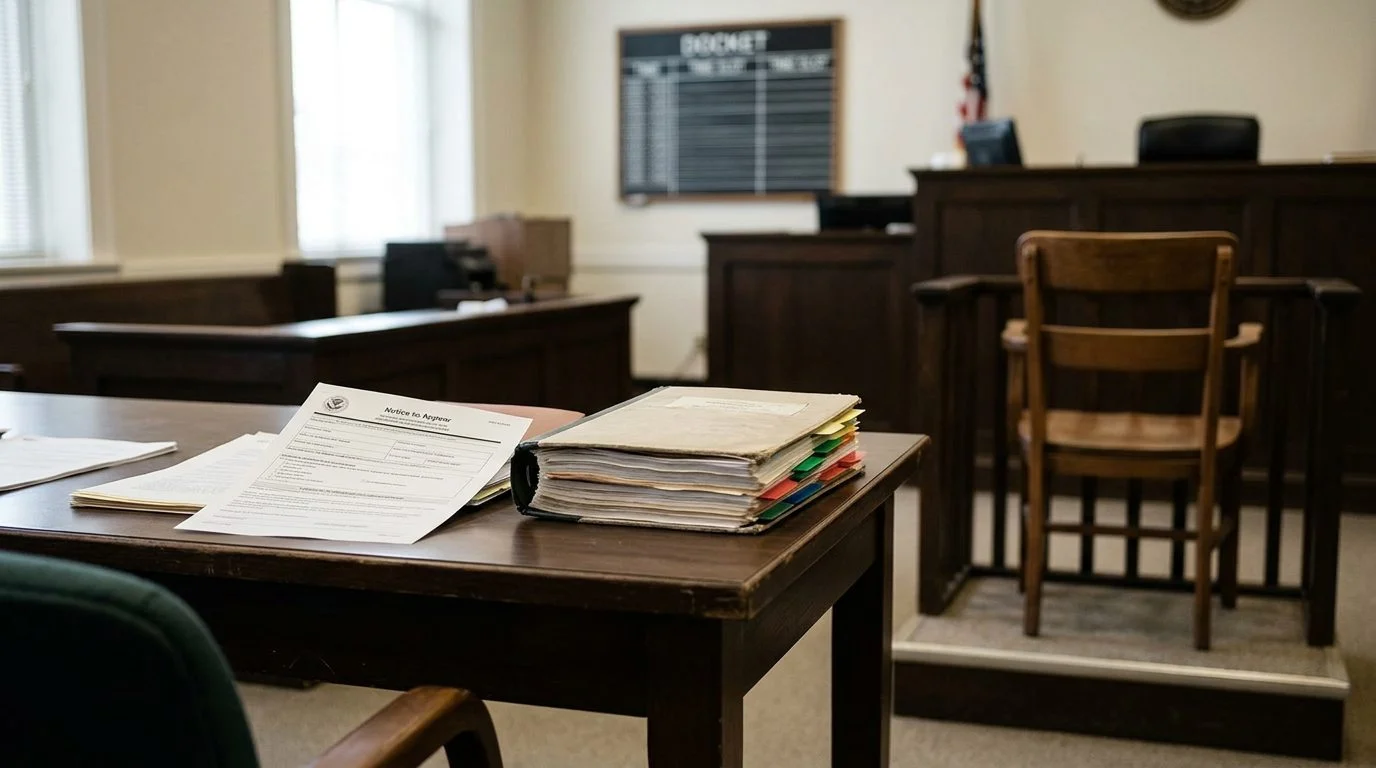
Removal defense is the work of challenging removal before an immigration judge. Removal proceedings begin with a notice to appear, which lists the charges and states that you may be represented by counsel.
“Non-detained” means you are not held in ICE custody. You live in the community and attend your hearings in immigration court. That is different from a detained case, where the person stays in custody while the case moves forward.
Asylum can be a defense to removal. You request it during the court case, which is called defensive asylum. A person physically present in the United States may apply for asylum regardless of immigration status, subject to the rules that govern the claim.
This page is for people who have a notice to appear or a hearing notice for Orlando immigration court. It is also for people who want to seek asylum, withholding of removal, or other relief in that case.
What Representation in Immigration Court Covers
Representation covers the case from the first notice through the final decision and any appeal. In practice, the work includes these steps:
- Case review: Reading the notice to appear and the charges to identify which forms of relief may apply.
- Asylum application: Preparing Form I-589 with supporting evidence and personal statements.
- Master calendar hearings: Appearing with you, where the judge takes your response to the charges and sets the next dates.
- Individual hearing: Preparing your testimony, exhibits, and witnesses for the hearing where the judge decides the claim.
- Related relief: Reviewing withholding of removal and protection under the Convention Against Torture, which a judge may consider together with asylum.
- Time requests: Asking for a continuance for good cause when the case needs more time, though a continuance may not cause the adjudication of an asylum application to exceed 180 days in the absence of exceptional circumstances.
- Appeals: Reviewing a decision and filing an appeal to the Board of Immigration Appeals when an appeal is available. 8 C.F.R. § 1240.15 reads: “Pursuant to 8 CFR part 1003, an appeal shall lie from a decision of an immigration judge to the Board of Immigration Appeals, except that no appeal shall lie from an order of removal entered in absentia.”
How the Removal Defense Process Works, Step by Step
A removal case moves through a set of court steps, and the asylum filing deadline starts running early. Knowing each step helps you plan.
- Paid consultation. You meet with Adriana Gomez’s office to review the notice, your entry history, why you cannot return home, and the dates that matter.
- Document collection. You gather identity papers, entry records, prior immigration filings, and evidence that supports your fear of return.
- Asylum filing. The one-year clock runs from your last arrival in the United States, or from April 1, 1997, if that is later. In court cases, the application goes to the immigration court. If it appears late, the judge decides whether an exception applies, under 8 C.F.R. § 1208.4.
- Master calendar hearings. The judge sets the schedule, takes your pleadings, and sets the next date.
- Individual hearing. You testify, and the judge weighs your testimony and evidence. Your credible testimony may be enough on its own, under 8 C.F.R. § 1208.13.
- For asylum decisions where the judge did not deny the application under 208(a)(2)(A), (B), or (C) of the Act, the Notice of Appeal (Form EOIR-26) must be filed directly with the Board within 30 calendar days of the decision; in other cases, it must be filed within 10 calendar days, per 8 C.F.R. § 1003.38.
Keep your address current: within five working days of any change of address, you must provide written notice of the change on Form EOIR-33 to the Board. The law also requires you to immediately give the Attorney General a written record of your address and telephone number, and of any change to them, as set out in 8 U.S.C. § 1229. The court’s schedule, the complexity of the claim, and whether the government contests it all shape how long a case takes.
Why Work With AG Immigration Law P.A. for Removal Defense in Orlando
AG Immigration Law P.A. focuses its practice on removal defense and related immigration matters. Adriana Gomez is the lawyer responsible for this page.
- Responsible lawyer: Adriana Gomez leads the removal defense work described here.
- Support staff: Our team includes assistants and office staff who help with documents, court paperwork, and scheduling.
- Written deadlines: Keep every hearing date and filing deadline in writing. Bring each new notice to your first meeting.
- Practice areas: Removal defense, adjustment of status, family petitions, naturalization, removal of conditions on green cards, waivers, and BIA appeals.
- Ways to reach us: Call the office, fill out the contact form, or message on WhatsApp.
Questions People Ask Before Hiring a Removal Defense Attorney
Most questions come down to deadlines and which court decides the case.
Do I need a lawyer for removal proceedings?
You may be represented by counsel. The first hearing cannot be set sooner than 10 days after the notice is served, unless you ask for an earlier date in writing, per 8 U.S.C. § 1229.
Can I still apply for asylum after one year?
Sometimes. The law allows exceptions, and the immigration judge decides whether you qualify for one.
Is an asylum interview the same as a court hearing?
No. In removal proceedings, the asylum application goes to the immigration court, and the judge decides the case.
Will I be detained while my case is pending?
This page covers non-detained cases. Custody decisions depend on the facts of each case, so we review your situation at the first meeting.
What does the consultation cost?
The consultation is paid. Contact the office for current fee details before you book.
What if I miss my hearing?
A removal order entered in absentia can bar certain forms of relief for 10 years after the order, unless exceptional circumstances apply, if the person was given oral notice of that consequence.
What if the judge orders me removed?
You may be able to appeal to the Board of Immigration Appeals. For many asylum decisions, the notice of appeal is due within 30 calendar days.
Not sure what your next step is?
Talk it through with our team — we can walk you through how a situation like yours is usually handled and what your options are.
Related Removal Defense Topics
Asylum is one route in a removal case, and several related rules affect timing. The main removal defense page covers the full range of this work.
A judge may grant a continuance for good cause. However, no continuance may push an asylum decision past 180 days without exceptional circumstances.
Filing errors also cause problems. An incomplete asylum application is rejected.

Talk to Our Team About Your Removal Case
If a notice to appear or a hearing date has reached you, the one-year asylum deadline and your next court date need attention now. Book a paid consultation, call the office, message us on WhatsApp, or fill out the contact form so we can review your case before the next hearing.
Why Clients Work With Our Office
A Focused Practice
Our practice focuses on removal defense and closely related matters, including adjustment of status, waivers and BIA appeals.
Careful Case Preparation
We review your notices, records and immigration history so each filing and hearing is prepared with attention to detail.
Support Staff Who Keep Your Case Moving
Our assistants and office staff help track deadlines, gather documents and keep communication organized from start to finish.
Several Ways to Reach Us
Fill out our contact form, call the office or message us on WhatsApp to begin the conversation about your case.
Act Quickly on Any Immigration Notice
Immigration deadlines are strict, and a missed court date or filing can seriously affect your case. If you have received any notice from immigration court or the Department of Homeland Security, contact our office as soon as possible.
How Removal Defense Works With Our Office
1. Reach Out
Share your notice and basic background through our contact form, by phone or on WhatsApp.
2. Book a Paid Consultation
Meet with our office to review your situation, your documents and the questions you need answered.
3. Prepare Your Defense
We gather evidence, organize your records and identify the applications and waivers that may apply to your case.
4. Represent You in Court
We prepare you for each hearing and present your case before the immigration judge, with clear updates along the way.