

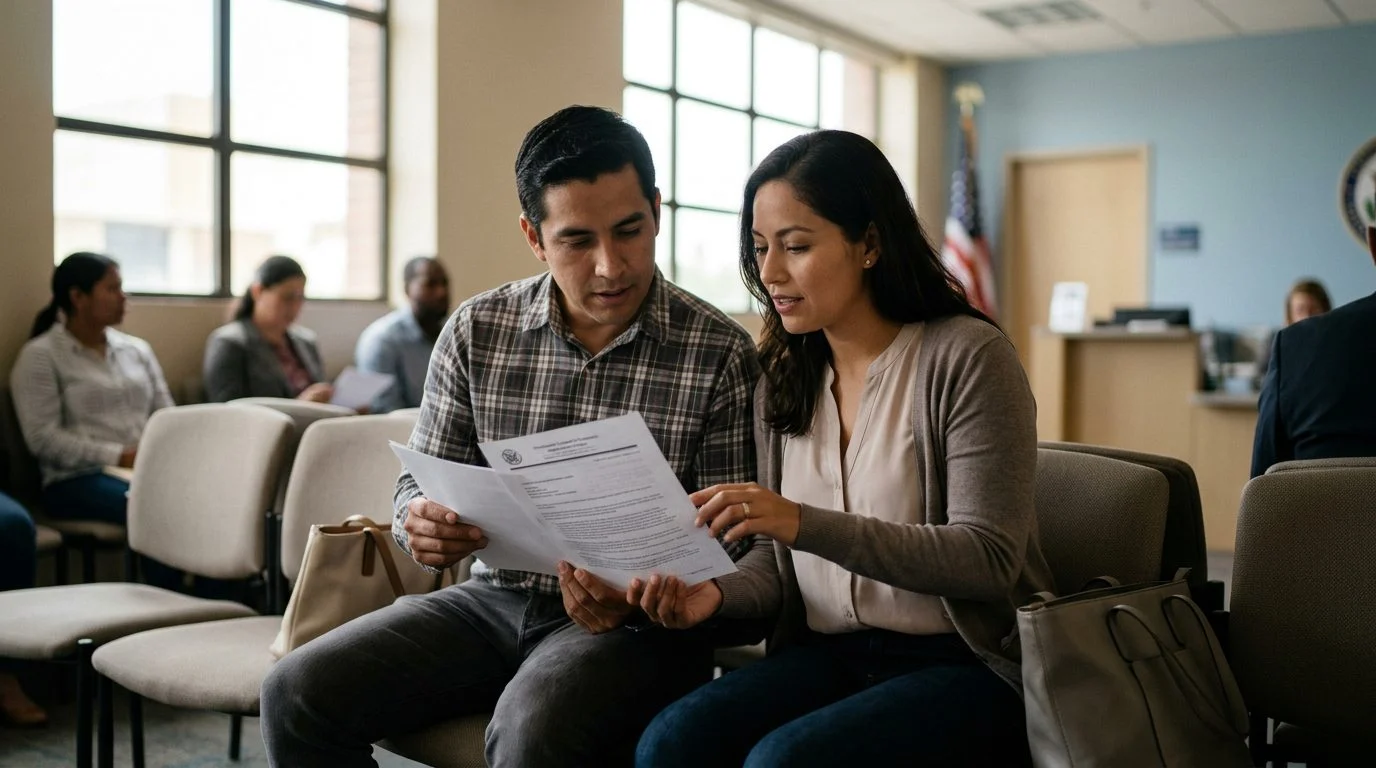
Waivers | Florida
Need an Immigration Waiver in Florida? Start by Understanding When One Applies
AG Immigration Law P.A. focuses on immigration matters for people across Florida, including waiver requests tied to visas, green cards, and admission. Get in touch to talk through your situation.
By Adriana Gomez · Published November 4, 2026
For most people searching waivers Florida, the first question is simple: what is a waiver? An immigration waiver asks the government to excuse a ground that blocks a visa, a green card, or another benefit. Waivers come up in many kinds of immigration cases. This page explains when a waiver is needed, the main types, how the process works, and what to do after a denial. It is general information, not legal advice.
What Is an Immigration Waiver?
An immigration waiver excuses a ground of inadmissibility so you can get the benefit you applied for. Inadmissibility means immigration law bars you from entering the country, getting a visa, or receiving a green card. Certain immigrants may instead apply for a provisional unlawful presence waiver under 8 CFR 212.7(e). You file the form USCIS designates and follow its instructions. Some applicants file from inside the United States. Others file from abroad, after an interview at a U.S. embassy or consulate. The right route depends on where you are and which ground applies.
If a waiver may stand between you and a green card, you don't have to work out the next step alone. Reach out to our team to talk through your facts. Talk it through with our team — we can walk you through how a situation like yours is usually handled and what your options are.
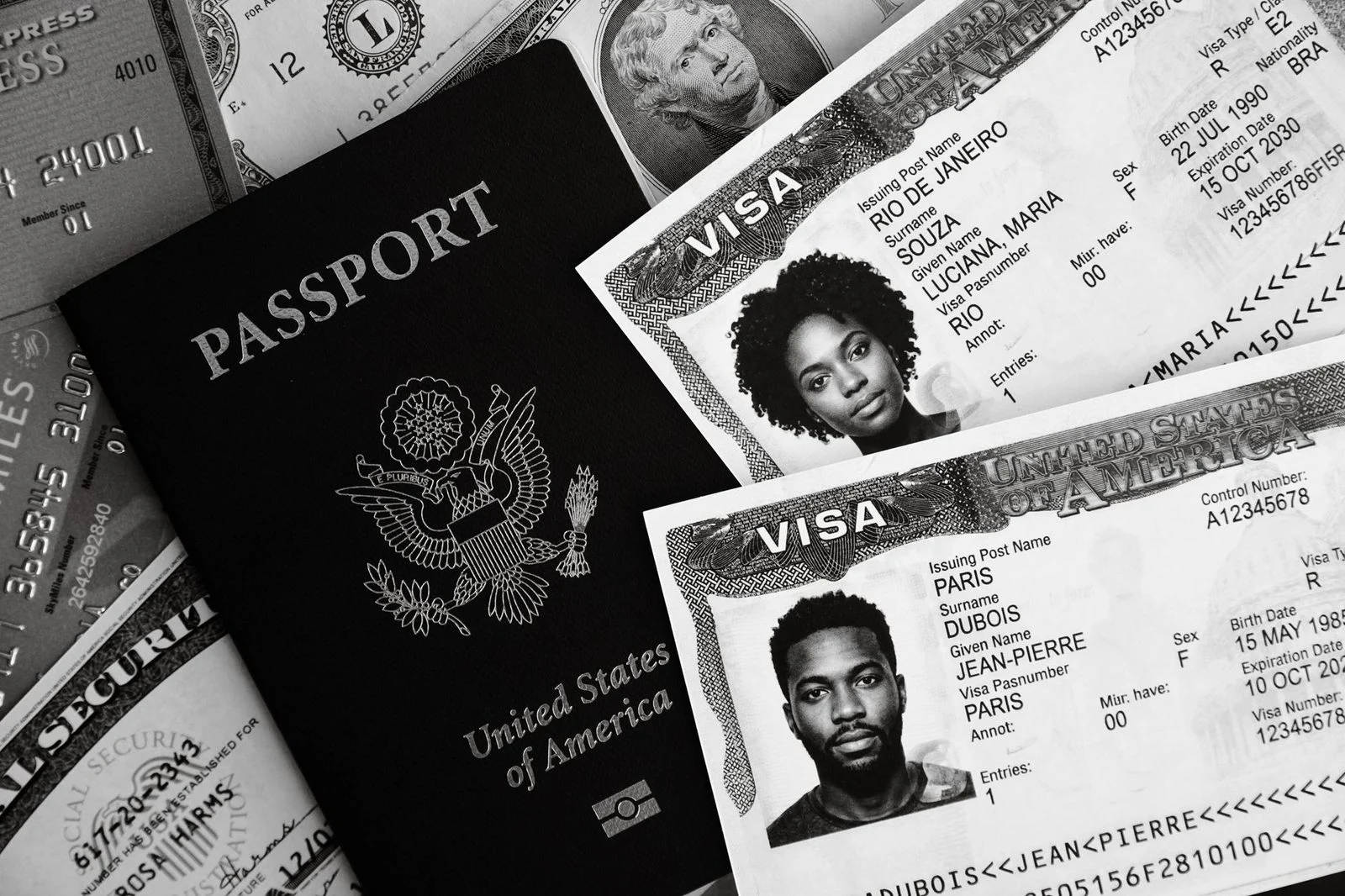
Why Applicants Need a Waiver
The most common triggers are unlawful presence, a prior removal, and fraud or willful misrepresentation. Each one can block a green card even when the rest of your case looks strong.
Unlawful presence can be the hardest one to spot. Under USCIS unlawful presence guidance, a person who accrued the required unlawful presence and seeks admission within 3 or 10 years after departure or removal is inadmissible. Generally, that person can be admitted or get adjustment of status only with a granted waiver.
A prior removal creates a separate bar. Under 8 CFR 212.2, a person who was deported or removed is inadmissible unless they have stayed outside the United States for five consecutive years. For an aggravated felony conviction, the period is twenty consecutive years, and a 20-year period also applies to a person deported or removed 2 or more times. Anyone still inside that period needs permission to reapply.
Fraud is a serious ground. USCIS fraud and misrepresentation guidance says a person found inadmissible for fraud or willful misrepresentation is barred from admission for the rest of their life unless they qualify for and receive a waiver.
Criminal records can also create inadmissibility. Each record is measured against the specific ground it may trigger, so the details matter. A waiver issue can also surface during adjustment of status or a family petition, even when the case seemed routine.
What Types of Waiver Are Used?
The main routes are the provisional unlawful presence waiver, the inadmissibility waiver filed through consular processing, and permission to reapply. Each one fits a different set of facts.
Certain immigrants may apply for a provisional unlawful presence waiver. 8 CFR 212.7 describes this route in paragraph (e), so eligibility is worth checking early.
The consular route works differently. An applicant may file after leaving the United States and appearing for the immigrant visa interview at a U.S. embassy or consulate. The filing happens after the Department of State determines admissibility and eligibility for an immigrant visa.
Permission to reapply is also called consent to reapply or Form I-212. USCIS waiver guidance explains that an applicant who files a waiver application may also be inadmissible because of a prior removal or unlawful reentry after a previous immigration violation, and in these cases must file an Application for Permission to Reapply for Admission into the United States after Deportation or Removal (Form I-212), which is also called consent to reapply.
Waivers also connect to other cases. Generally, someone who is inadmissible under INA 212(a)(9)(B) may be admitted to the United States, or granted adjustment of status, only after applying for and receiving a waiver of inadmissibility (USCIS Policy Manual, Part O, Chapter 6). That link matters when you file a waiver alongside adjustment of status.
How Does the Waiver Process Work?
A waiver is approved only when you meet every requirement and the officer finds a favorable exercise of discretion. USCIS waiver eligibility guidance says the statute, regulations, and form instructions must all be met before approval. That means the filing has to be complete.
USCIS sets no single type or amount of evidence for a waiver. Evidence should be specific, come from a credible source, and back up each claim. If something is unavailable, a reasonable explanation for its absence helps.
Physicians and other medical professionals should write medical statements that explain how a condition affects the applicant. An officer gives less weight to a nonprofessional’s opinion, though the officer may still consider it.
Some waivers require that the applicant establish a qualifying familial relationship. USCIS policy states: “Unless the adjudicating officer finds the underlying evidence unpersuasive, the evidence submitted as part of a previously approved petition or application based on that familial relationship is sufficient to establish the qualifying relationship for the waiver.” Under USCIS extreme hardship policy, the applicant must show more than the usual hardship that commonly results from family separation or relocation. The hardship must exceed what is usual or expected.
When a waiver depends on a family tie, marriage, birth, or adoption certificates can prove it. Keep dates, travel history, and past filings consistent. Every document should support what your forms say.
What Happens After a Waiver Is Denied?
A denial notice must state the specific reasons, and it must say whether you can appeal or file a motion. Under USCIS denial and appeal guidance, an officer who denies on discretion should explain how the negative factors outweigh the positive ones.
Under 8 CFR 103.3, certain USCIS appeals go on Form I-290B and must be filed within 30 days after service of the decision. Under 8 C.F.R. § 103.3(a)(2)(v)(B)(1), an appeal filed after the time allowed is rejected as improperly filed, and a filing fee the Service has already accepted is not returned.
When an immigration judge decides the case, the appeal goes to the Board of Immigration Appeals. The Notice of Appeal is Form EOIR-26, and the filing date is the day the Board receives it. Board appeal rules set out these steps.
A denied waiver can lead to removal proceedings, and court deadlines carry heavy consequences. Under federal immigration law, if you were ordered removed in absentia and, at the time you received the written notice to appear, you were also given oral notice, in your native language or another language you understand, of the time and place of your hearing and of the consequences of not attending, you are not eligible for relief under sections 1229b, 1229c, 1255, 1258, or 1259 of this title for 10 years after the date the final order of removal was entered, unless your failure to attend was because of exceptional circumstances (section 1229a).
Returning after removal without permission can be a federal crime. Under 8 U.S.C. § 1326, the basic penalty is a fine, up to 2 years in prison, or both. Some prior records carry much longer prison terms.
How Florida Locations Affect Your Waiver Case
Where you live in the state does not change the legal standard.
Waivers Florida families face often involve several people at once. A case may include a U.S. citizen spouse, a green card holder parent, and a relative who needs the waiver.
A case that starts in Florida can still involve consular processing abroad. That means time outside the United States, so plan any trip with your case in mind.
Adriana Gomez is the lawyer responsible for this page. Our team focuses on immigration law, including removal defense, adjustment of status, family petitions, naturalization, removal of conditions on green cards, waivers, and BIA appeals.
Not sure what your next step is?
Talk it through with our team — we can walk you through how a situation like yours is usually handled and what your options are.

Talk With Our Team About Your Waiver
If you’ve been told a waiver may be needed, the next step is a conversation about your own record. Consultations are paid.
What is a waiver of inadmissibility?
It is a request asking USCIS to excuse a ground that blocks your visa, green card, or admission. It applies only when a waiver exists for that ground.
How long do I have to appeal a waiver denial?
Appeals of waiver denials are filed with the USCIS appeals office on Form I-290B, generally within 30 days after service of the decision under 8 CFR 103.3. A late appeal is rejected.
Does unlawful presence affect a green card?
It can. If you seek admission within 3 or 10 years after leaving the United States, the bar may apply and a waiver may be needed.
Can a fraud finding be waived?
A person barred for fraud can seek a waiver. Without one, the bar lasts for life.
This page is general information, not legal advice. Outcomes can’t be predicted, and no result is promised.
If a waiver may stand between you and a green card, you don’t have to work out the next step alone. Fill out the contact form, call the office, message us on WhatsApp, or book a paid consultation.
How We Approach Waiver Matters
Careful Review of the Ground
A waiver only helps with a specific ground of inadmissibility. We look closely at the ground involved and whether a waiver exists for it.
Evidence Built Around Your Story
Waiver requests depend on the supporting record. Our team helps organize documents and explain what each one shows.
Plain-Language Guidance
We explain each step, the options in your case, and what to expect, so you can make informed decisions.
Several Ways to Reach Us
Call the office, send a message on WhatsApp, or fill out the contact form to start the conversation.
Do Not Handle a Waiver Question Alone
A waiver request is only as strong as the facts and records behind it. Gathering documents and a clear account of your history early makes it easier to evaluate your options.
Common Waiver Questions
What Is a Waiver?
A waiver is a request asking USCIS to excuse a ground that blocks a visa, green card, or admission, where the law provides one for that ground.
Waivers and Green Card Cases
Waiver requests often arise during adjustment of status, consular processing, or family petitions. We review how a waiver fits into the broader case.
Appealing a Waiver Denial
Denials can sometimes be appealed to the USCIS appeals office on Form I-290B. Our team reviews the decision and the available options with you.
Waivers in Removal Proceedings
Some waivers may be raised in removal defense. We coordinate these requests with the rest of your immigration matter.
Ready to Talk About Your Waiver? Reach Out to AG Immigration Law P.A.
Related practice areas
- Immigration Waivers in the US: I-601, I-601A and Other Options Explained
- Waivers in Texas