

Waivers in Houston, Texas
Immigration Waivers Explained for Houston Families
AG Immigration Law P.A. focuses on waivers and related immigration matters for families across Texas and Florida. Learn how the process works, what evidence matters, and when to get help.
By Adriana Gomez · Published November 4, 2026
Immigration Waivers in Houston: Why Families Here Often Need One
An immigration waiver asks the government to forgive a specific legal bar, so a person can get or keep an immigration benefit. That bar is called inadmissibility. It means the law gives a reason a person cannot be admitted or approved. A waiver is not a visa or a green card. It is a decision that lets an application move forward despite the bar. USCIS waiver eligibility rules say an applicant must meet every requirement, and a favorable exercise of discretion must be warranted.
Waiver questions often come up during a green card or visa case. A past unlawful stay, a removal order, a criminal conviction, or a fraud finding can each create a bar. Some people first learn about the bar when a petition is filed or an interview is scheduled.
Houston has a large immigrant community, and many households are mixed-status. Some family members may be U.S. citizens or permanent residents, while others are not. That mix means waiver questions can come up in family-based cases and in consular processing, where a visa is requested from abroad. This guide explains the immigration waivers Houston families may need and how the process works. Whether a waiver fits your case depends on the facts, so start with a complete record of your immigration history.
If a consular refusal letter or a denied waiver has you worried about your family, contact our team now so we can review your notice while your deadlines are still open. Talk it through with our team — we can walk you through how a situation like yours is usually handled and what your options are.
The Main Waiver Types: I-601, I-601A, I-212, and Related Forms
Each waiver answers a specific ground of inadmissibility, so choosing the right form matters. Think of the ground as the problem and the form as the request that addresses it. Each form also has its own rules, and a mistake on the form can slow the whole case.
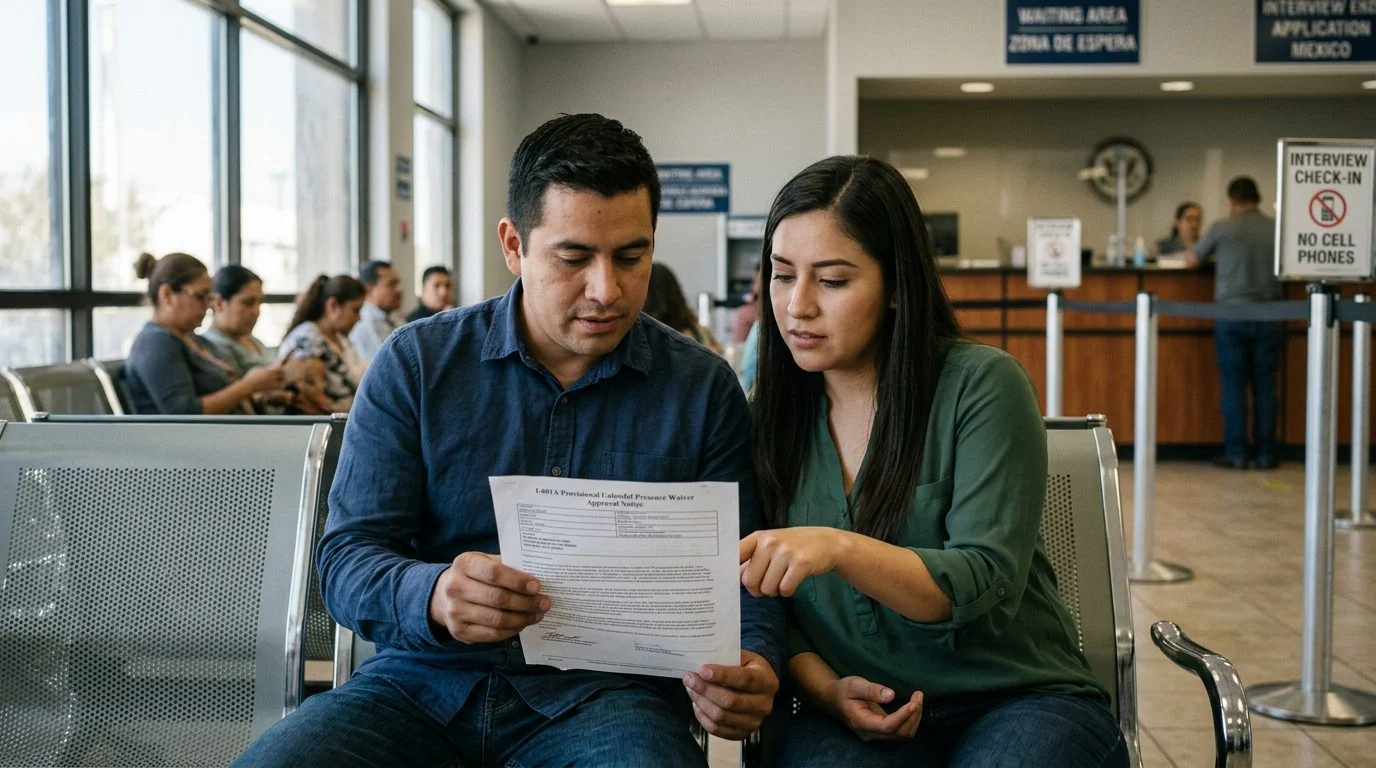
The Form I-601A is a provisional unlawful presence waiver. Under 8 CFR 212.7, certain immigrants may apply for this provisional waiver under paragraph (e) of that rule. Only certain immigrants qualify, so eligibility is narrow.
The rule says the applicant files the form USCIS designates, pays the fee set by 8 CFR 106.2, and follows the form instructions. The form number is a label. The rules and the ground are what decide whether it fits.
The Form I-212 handles a prior removal or unlawful reentry. It is the Application for Permission to Reapply for Admission into the United States after Deportation or Removal. USCIS says an applicant may need to file it, and it is also called consent to reapply.
Criminal grounds fall under INA 212(h). That section is part of 8 U.S.C. § 1182, which sets out the classes of people ineligible for visas or admission.
8 U.S.C. § 1182(i) addresses the admission of an immigrant who is inadmissible for fraud or willful misrepresentation of a material fact. USCIS fraud waiver rules say the applicant must show extreme hardship to a qualifying relative, or to the applicant himself or herself if the applicant is a VAWA self-petitioner. The officer then weighs whether positive factors outweigh the fraud itself.
Follow the form instructions closely. A missing fee or a filing made under the wrong rules can delay a case. USCIS may also ask for more evidence before it decides.
The Extreme Hardship Standard and Who Counts as a Qualifying Relative
Many waivers require proof of extreme hardship to a qualifying relative. USCIS says this means more than the usual hardship that comes with family separation or relocation, as its USCIS extreme hardship policy explains. The focus stays on the qualifying relative, not only on the applicant.
The hardship must exceed what is usual or expected. The statute, the regulations, and case law do not define the term in detail, so officers look closely at each case. Extreme hardship does not have to be unique to the family. It is also less demanding than the “exceptional and extremely unusual hardship” test used for non-permanent-resident cancellation of removal.
Who counts depends on the waiver. USCIS qualifying relative rules explain that a child can serve as a qualifying relative in limited waivers, including criminal waivers under INA 212(h)(1)(B). Hardship to more than one qualifying relative may be added together. A parent who says they will separate from a child in a limited waiver where a child can be a qualifying relative bears the burden of overcoming the presumption that the child will relocate, and should generally be expected to explain the arrangements for the child’s care and support.
Evidence should be specific and credible. If evidence is missing, the applicant should give a reasonable explanation. Medical issues should be addressed by professionals, for example physicians or other medical professionals, whose attestation should explain how the condition affects the applicant. An officer may still consider a nonprofessional’s statement, but should give less weight to it. Foreign-language documents need a translation, as the USCIS waiver eligibility rules describe.
How a Waiver Connects to Removal Defense in Houston
A waiver can become part of a removal case, so the filing and the court case must line up. Missing a deadline in one can hurt the other.
Under 8 U.S.C. § 1229a(c)(7)(C)(i), a motion to reopen generally must be filed within 90 days of the entry of a final administrative order of removal, and the one-year period applies only to the specific category described in clause (III). 8 U.S.C. § 1229a provides that the Attorney General may, in the Attorney General’s discretion, waive the time limitation on a motion to reopen filed within 1 year of the final order of removal for an alien who demonstrates extraordinary circumstances or extreme hardship to the alien’s child. The same statute covers missed hearings. A person who received oral notice of the hearing and its consequences, and who is ordered removed in absentia, may be barred from certain relief for 10 years. That bar does not apply where exceptional circumstances explain the absence.
For a removal respondent, the waiver is only one piece. The court’s schedule, the waiver filing, and any pending adjustment or family petition all need to fit together. Each one has its own deadlines and evidence, and that combination can be hard for a family to track alone.
Track every hearing date, USCIS notice, and filing deadline in one calendar. Dates that do not match across forms can weaken both the waiver and the court case.
Step by Step: Preparing and Filing an Immigration Waiver
The first step is a full history, because the facts decide which waiver fits. List every entry, departure, arrest, conviction, and removal order. Gather each immigration notice you have received, even if it seems minor.
Next, gather proof of the relationship with the qualifying relative. USCIS notes that marriage, birth, or adoption certificates are typical examples.
Then build the hardship record. USCIS says that taking on someone else’s caregiving duties can be burdensome enough to rise to extreme hardship, as the USCIS extreme hardship factors describe. Keep copies of everything you file, and note the date each item was sent.
The waiver is filed with USCIS or raised in a consular case, following the form instructions. USCIS may send a request for evidence before it decides.
Cases can end in approval or denial. No one can promise a decision date or a particular result. Three mistakes can slow a case: hardship letters with no specific facts, missing translations, and dates that do not match across forms.
Common Questions About Immigration Waivers in Houston
Here are short answers to common immigration waivers Houston questions.
Can a waiver be filed from inside the United States?
Only certain immigrants can. Under 8 CFR 212.7(e), some immigrants may apply for a provisional unlawful presence waiver, and the rules limit who qualifies.
Does a prior removal always bar a waiver?
A removed person stays inadmissible until five consecutive years pass outside the United States, under 8 CFR 212.2(a). The wait is twenty consecutive years from the deportation or removal date for an alien convicted of an aggravated felony, and Form I-212 may also be needed.
How does a criminal conviction affect a waiver?
Criminal waivers under INA 212(h) turn on the offense and the record.
What happens if a waiver is denied?
If the applicant does not show extreme hardship, the officer must deny the waiver. The denial notice should describe any motions to reopen, motions to reconsider, or appeals that apply.
Not sure what your next step is?
Talk it through with our team — we can walk you through how a situation like yours is usually handled and what your options are.
Talk With Adriana Gomez About Your Waiver Question
A consular refusal letter, a denied I-601A, or a removal hearing where a waiver may be the only route can feel overwhelming. Adriana Gomez is the lawyer responsible for this page, and our team can review your notice and explain possible waiver paths. Consultations with the firm are paid. Reach out now with your notice or letter in hand, so the question about immigration waivers Houston families face can be reviewed while your deadlines are still open.
You can reach the office in four ways:
- Fill out the contact form.
- Call the office.
- Send a message on WhatsApp.
- Book a paid consultation.
How We Approach Waiver Cases
Careful Case Review
Every waiver case depends on the facts. We look at your immigration history, family ties, and supporting records before recommending a path.
Focus on Families
Our practice focuses on family petitions, adjustment of status, and waivers, so we understand how one decision can affect a whole household.
Clear Next Steps
We explain each stage of the process in plain language, so you know what is needed and what to expect.
Accessible Communication
Our team keeps you informed by phone, email, and WhatsApp, so questions do not have to wait.
Important: Do Not Rely on Guesswork
A waiver application can affect your immigration case for years. Small mistakes in forms, evidence, or timing can cause serious problems. Speak with a lawyer before you file or sign anything with immigration authorities.
Common Waiver Matters We Handle
Provisional Unlawful Presence Waivers
Support for applicants who need to address unlawful presence before an immigrant visa interview, with careful attention to filing requirements.
Inadmissibility Waivers
Guidance on waivers connected to prior removal, misrepresentation, criminal history, or other grounds that can make a person inadmissible.
Hardship Evidence
Help gathering and organizing documents that show the hardship a qualifying relative would face, including medical, financial, and family records.
Waivers with Adjustment of Status
Coordinated planning when a waiver and an adjustment of status application need to move together in the same case.
Get Help With Your Waiver Case in Houston
Related practice areas
- Immigration Waivers in the US: I-601, I-601A and Other Options Explained