


Removal Defense | Florida, Texas & New York
Read Your I-213 Carefully Before It Shapes Your Immigration Case
Adriana Gomez and the team at AG Immigration Law P.A. focus on removal defense and related immigration matters. Learn how an I-213 is used in immigration court and why it matters for you.
By Adriana Gomez · Published November 1, 2026
Short answer: Form I-213 is a record that a Department of Homeland Security (DHS) officer prepares about a person’s encounter with the government. A judge can receive it as evidence in immigration court, and it can matter in an asylum case.
If an I-213 immigration court asylum issue has come up in your case, this guide explains what the form records. It also explains how a judge may weigh it and what to check before your first hearing.
What Form I-213 Is and Who Completes It
Form I-213 is a DHS record that an immigration officer completes. Its full title is Record of Deportable/Inadmissible Alien. An immigration judge does not write it.
Officers usually fill it out after an encounter with Immigration and Customs Enforcement (ICE) or U.S. Customs and Border Protection (CBP). The law lets officers authorized under regulations prescribed by the Attorney General question, without a warrant, anyone they believe is an alien, meaning a noncitizen, about their right to be or remain in the United States. See 8 U.S.C. § 1357. See 8 U.S.C. § 1357.
The I-213 is different from the Notice to Appear (NTA). The NTA is the document that starts the case. Removal proceedings begin when the NTA is filed with the immigration court. See 8 CFR 1239.1. The NTA must also list the charges and the statutes alleged to be violated. See 8 U.S.C. § 1229.
Think of the NTA as the charge. The I-213 is one of the records the government may use to support it.
Reach out through our contact page to book a consultation. Talk it through with our team — we can walk you through how a situation like yours is usually handled and what your options are.
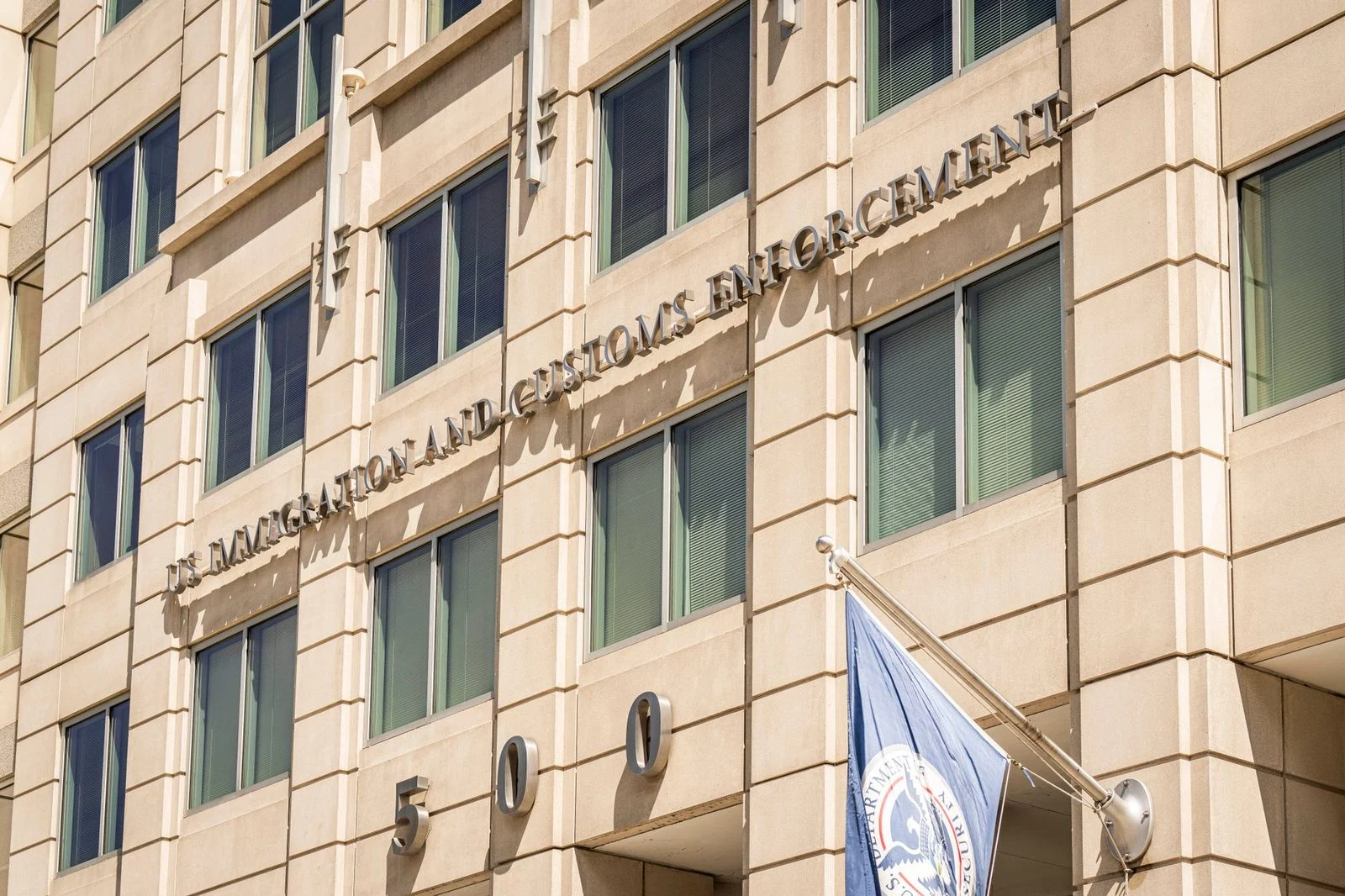
What the I-213 Records in Your File
The I-213 generally records who you are, where and when the encounter happened, and what you said. The exact entries vary from case to case.
Typical entries include your name, other identifiers, and biographical facts. These can include date of birth, nationality, and address. The form also lists the date and place of the encounter. It may state the officer’s reasons for believing you can be removed.
Some forms also show the language used in questioning. They may say whether an interpreter was present and what documents the officer reviewed. These details matter. They show how the government describes the encounter.
The rule says a judge may receive any oral or written statement that is material and relevant to the case. That includes statements made earlier during an investigation. See 8 CFR 1240.7.
Why Immigration Judges Often Rely on the I-213
Judges consider the I-213 together with everything else in the file. The form is a government summary, not a judge’s finding.
In a deportability case, DHS must prove the charge. The person in the case is called the respondent. The rule says DHS must prove by clear and convincing evidence that the respondent is deportable as charged. See 8 CFR 1240.8.
If you ask for relief, the burden shifts to you. You must show you are eligible and that relief should be granted in the judge’s discretion.
Accuracy matters too. Any foreign-language document offered in a case needs an English translation. It also needs a translator’s signed certification, printed legibly or typed, that includes a statement that the translator is competent to translate the document and that the translation is true and accurate to the best of the translator’s abilities. See 8 CFR 1003.33.
What an I-213 Can Mean for an Asylum Case
An I-213 can matter because a judge may compare what you said at the encounter with what you say later. In an I-213 immigration court asylum case, the judge weighs the whole record, including your testimony.
Asylum has a filing deadline. The applicant must show by clear and convincing evidence that the application was filed within one year after arrival in the United States. The statute has exceptions. See 8 U.S.C. § 1158.
Your own testimony can carry weight. It may be enough without other proof, but only if the judge finds it credible, persuasive, and specific. 8 U.S.C. § 1158 reads: “The testimony of the applicant may be sufficient to sustain the applicant’s burden without corroboration, but only if the applicant satisfies the trier of fact that the applicant’s testimony is credible, is persuasive, and refers to specific facts sufficient to demonstrate that the applicant is a refugee.” The same statute sets that standard.
Credibility is where the I-213 becomes relevant. The judge may consider whether written and oral statements agree, whenever they were made. The judge may also consider the circumstances under which each statement was given. See 8 U.S.C. § 1229a(c)(4)(C).
A small mismatch can still count. The asylum credibility rule allows a judge to consider an inconsistency even if it does not go to the heart of the claim. See 8 U.S.C. § 1158.
Reviewing Your I-213 Before the First Hearing
Start by checking each identifier and date on the form against your own records. A wrong name, birth date, or entry date can cause problems later.
Use this checklist:
- Names, spelling, date and place of birth, nationality, and address.
- Entry dates, plus the date and place of the encounter.
- Recorded answers. Do they match what you actually said? If not, write down the difference while you still remember it.
- Language and interpreter. Note the language listed and whether an interpreter appears.
- Translations. Any foreign-language document needs a certified English translation.
At a hearing, an interpreter must be sworn to interpret and translate accurately. The exception is an interpreter who is a U.S. Government employee. See 8 CFR 1240.5.
Timing matters as well. The first hearing cannot be set sooner than 10 days after the NTA is served. You can ask for an earlier date in writing. The statute also gives you a period of time to secure counsel. See 8 U.S.C. § 1229.
Keep copies of every document you receive from DHS and the court. Bring them to every hearing.
How an I-213 Is Challenged in Court
Challenges usually focus on specific facts. The facts show that the form is wrong or was not handled properly. The judge hears those facts and decides how much weight the form deserves.
Common issues include:
- Recorded statements that do not match what you said.
- Foreign-language documents without a proper translation certification. See 8 CFR 1003.33.
- Interpreter problems at a hearing. See 8 CFR 1240.5.
- A judge may consider the circumstances under which a person’s statements were made when weighing their credibility.
Witnesses who testify at the hearing do so under oath. The judge administers that oath. See 8 CFR 1240.7.
Be careful with sworn statements.
Not sure what your next step is?
Talk it through with our team — we can walk you through how a situation like yours is usually handled and what your options are.
Related Questions and Next Steps
The one-year asylum deadline and missed hearings are two issues to check first. The removal defense overview explains how these issues fit into a case.
If you do not attend a hearing after the written notice required under paragraph (1) or (2) of 8 U.S.C. § 1229(a) was provided to you or your counsel of record, you shall be ordered removed in absentia if the government establishes, by clear, unequivocal, and convincing evidence, that the written notice was so provided and that you are removable. Such an order may be rescinded only upon a motion to reopen filed within 180 days after the date of the order of removal, if you demonstrate that your failure to appear was because of exceptional circumstances. It may also be rescinded upon a motion to reopen filed at any time, if you demonstrate that you did not receive notice in accordance with paragraph (1) or (2) of 8 U.S.C. § 1229(a), or that you were in Federal or State custody and the failure to appear was through no fault of your own (8 U.S.C. § 1229a(b)(5)(A), (C)). Under 8 U.S.C. § 1229a(b)(5)(A), in absentia removal turns on written notice of the hearing and on removability.
Can an I-213 be used against me in immigration court?
A judge may receive it as evidence if it is material and relevant. The judge weighs it with the rest of the record.
Who writes a Form I-213?
An immigration officer writes it, usually after questioning someone during an encounter with the government.
Can I challenge an I-213 in immigration court?
Reviewing a form with your attorney can help you understand what it says and whether anything in it needs a closer look. The judge decides how much weight it gets.
Does DHS have to prove deportability by clear and convincing evidence?
Yes. In a deportability case, DHS must prove the charge by clear and convincing evidence.
If an I-213 immigration court asylum question is worrying you, you don’t have to sort it out alone. This page was prepared by AG Immigration Law P.A., and Adriana Gomez is the lawyer responsible for it. To talk through your file, contact our office and book a consultation.
How We Approach an I-213 in Your Case
Review the Record
We look closely at what the I-213 says, when it was written, and how it compares with the rest of your file.
Protect Your Position
We advise you on how to respond to questions and how to preserve your rights during removal proceedings.
Explain Your Options
We walk you through the options that may be available in your situation so you can make informed decisions.
Important: Speak With a Lawyer Before You Answer Questions
Do not sign documents or answer detailed questions about your case until you have spoken with a lawyer.
Immigration Matters We Handle
Removal Defense
Representation in immigration court proceedings, including review of evidence such as the I-213.
Adjustment of Status
Help with applying for permanent residence from within the United States.
Waivers and BIA Appeals
Guidance on waiver applications and on appeals to the Board of Immigration Appeals.
Family Petitions and Naturalization
Support for family-based petitions, naturalization applications, and removal of conditions on green cards.