

BIA Appeals | AG Immigration Law P.A.
Filing a BIA Appeal? Start With a Clear Plan
Learn how the EOIR-26 works, what to gather before you file, and how our team can help you move forward with confidence.
By Adriana Gomez · Published November 13, 2026
EOIR-26 Appeal Guide: BIA Appeals in Removal Cases
You may have received a decision from an immigration judge, and you want it reviewed. Form EOIR-26 is the Notice of Appeal you file to take that decision to the Board of Immigration Appeals (BIA). Our team can explain whether an EOIR-26 appeal is possible and what must happen before the deadline.
This guide explains what the form does, how the deadline works, what happens after filing, and what changes for cases heard in New York City. It is general information, not advice about your own case.
If a removal order in your case or a family member's case has a review deadline running, contact our team to talk through your appeal options. Talk it through with our team — we can walk you through how a situation like yours is usually handled and what your options are.

What Form EOIR-26 is and who it is for
Form EOIR-26 is the Notice of Appeal that brings an immigration judge’s decision before the BIA. You file it 8 CFR 1003.3 directly with the Board, not with the immigration court.
A party affected by the decision can appeal, as long as the party is covered by the decision and named on the form, but a party who has waived appeal may not file one. For many people, the appeal is the way to ask the Board to review a removal order from an immigration judge.
The form starts the appeal. It does not hold your full argument. That goes in a written brief, and 8 CFR 1003.38 allows briefs from both parties under the Board’s rules. Two things matter most at this stage. The form must be complete and on time, and it must say what you are challenging.
What a BIA appeal covers
A BIA appeal covers the specific findings and legal conclusions you challenge in the judge’s decision. Your notice has to name them.
- Reasons. The reasons for the appeal must appear in the notice. Failure to state them may lead to dismissal under the Board’s rules.
- Specific challenges. The notice must identify the facts or legal conclusions you dispute. If a question of law is presented, supporting authority must be cited, per 8 CFR 1003.3(b).
- Discretion. If the appeal involves discretionary relief, say whether the error concerns eligibility or how the judge used discretion.
- Waived issues. Any issue left out of the notice is treated as waived, under 8 CFR 1003.38.
- No new facts. The Board does not find facts on appeal, except for taking administrative notice of commonly known facts such as current events or the contents of official documents. A party asserting that the Board cannot properly resolve an appeal without further factfinding must file a motion for remand.
- In absentia orders. No appeal lies from a removal order entered in absentia.
Because the notice can waive issues, the first filing carries a lot of weight.
The filing deadline and the steps that follow
The Form EOIR-26 must be filed within 10 calendar days of the decision (8 CFR 1003.38(b)(1)). For certain asylum decisions, the limit is 30 days (8 CFR 1003.38(b)(2)). If the last day falls on a weekend or legal holiday, it moves to the next business day, per 8 CFR 1003.38. The Board must receive the notice, with the fee or an Appeal Fee Waiver Request (Form EOIR-26A), within that time.
- Intake. Gather the decision, the hearing papers, and any court notices. Confirm every date.
- Choose the issues. Decide which findings and conclusions to challenge. Anything left off the notice is waived.
- File Form EOIR-26. Include the filing fee, or a Form EOIR-26A fee waiver request; the Board has the discretion to waive the fee upon a showing that the filing party is unable to pay it, plus proof of service on the other side.
- Prepare the brief. Without a transcript, briefs are due within 20 days of the Board’s briefing order, and no later than 35 days after filing. With a transcript, the 20 days run from the Board’s order setting the schedule and making the transcript available, per 8 CFR 1003.3; under 8 CFR 1003.39, except when certified to the Board, the Immigration Judge’s decision becomes final upon waiver of appeal or upon expiration of the time to appeal, whichever occurs first. Workload and travel concerns within the control of either party or their representatives are not exceptional circumstances for an extension.
- Await the Board’s decision. For decisions issued on or after March 9, 2026, the Board must summarily dismiss an appeal unless a majority of the permanent Board members votes en banc to accept it, except for appeals pursuant to paragraphs (b)(5), (6), (7), and (14) of this section, per 8 CFR 1003.1.
Appeals from immigration court decisions
A New York City hearing and the BIA appeal happen in different places. The immigration court holds the hearing, but the notice goes to the Board.
The immigration court creates and controls the record of proceeding, per 8 CFR 1003.36. Review that record early. The brief has to match what the judge heard and wrote.
Interpreters matter too. Any interpreter in a hearing must swear or affirm to translate accurately, unless the interpreter is an employee of the United States Government, under 8 CFR 1003.22. If an interpreter was used in your hearing, check how your testimony was translated. A translation problem can affect the points in your brief.
Having the court location and hearing date ready helps us check the timeline quickly.
Why this practice and this firm
AG Immigration Law P.A. focuses on removal defense and related matters, including BIA appeals. The firm’s work includes:
- removal defense
- adjustment of status
- family petitions
- naturalization
- removal of conditions on green cards
- waivers
- BIA appeals
Adriana Gomez is the responsible lawyer for this page. Our team includes support staff, including assistants and office staff, who help keep records, calendars, and filings organized.
Every case turns on its own record and facts. We cannot promise how any appeal will turn out.
Not sure what your next step is?
Talk it through with our team — we can walk you through how a situation like yours is usually handled and what your options are.
Common questions about EOIR-26 appeals
Can I appeal if I missed my hearing?
No appeal lies from a removal order entered in absentia. Other situations depend on the facts, so check your dates right away.
Do I have to file a brief?
The brief is where your full argument goes. It is filed on the Board’s schedule, so the notice and the brief must match.
What fees apply?
The Board generally requires a filing fee for an appeal. The Board has discretion to waive the fee if you show you cannot pay, using Form EOIR-26A. Attorney fees are separate from the Board’s fee.
Is a consultation available?
Yes. Consultations are paid, and you can ask about the terms before you book one.
Can a family member reach out for me?
Yes. A relative can make the first contact. We need the client’s informed consent before we discuss case details.
Talk with AG Immigration Law about your appeal
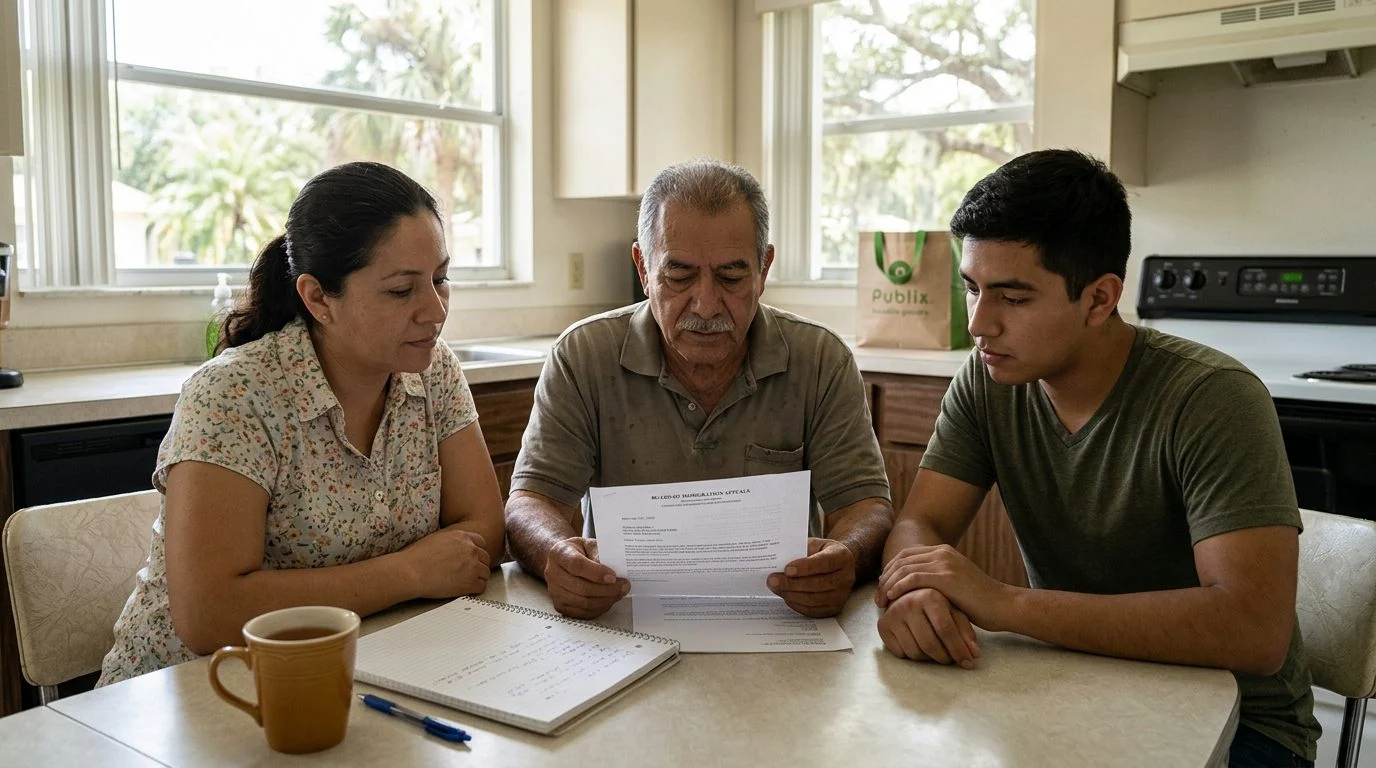
A removal order is hard to read, especially when the person named is someone you love. If you or a family member has a judge’s decision you want the Board to review, the appeal clock may already be running. Reach out through our contact page, by phone, or by WhatsApp, and share your hearing date and court location so we can check the timeline.
Responsible lawyer: Adriana Gomez, AG Immigration Law P.A.
Why Reach Out Before You File
Accurate paperwork
Your notice of appeal has to reflect the record and the issues you plan to raise. Careful preparation helps keep your filing organized.
Timing matters
Appeal filings come with strict requirements. Contact us as early as possible so each step is handled in order.
Plain-language guidance
We explain each stage of the process in clear terms and answer your questions along the way.
Support for your family
Immigration decisions affect the whole household. We keep your family's needs in view throughout your case.
Don't Wait to Get Advice
Appeal papers have strict requirements, and small errors can affect your case. Speak with our office before you file anything or let a step pass.
How We Help With Your Appeal
Review your decision
We read the immigration judge's decision closely to identify the issues that may support an appeal.
Gather the record
We organize the hearing record, filings, and evidence so nothing important is overlooked.
Prepare the notice
We complete the EOIR-26 accurately and make sure it matches the case history and the issues you raise.
Plan the brief
We build your written argument on the Board's schedule so the notice and brief work together.