

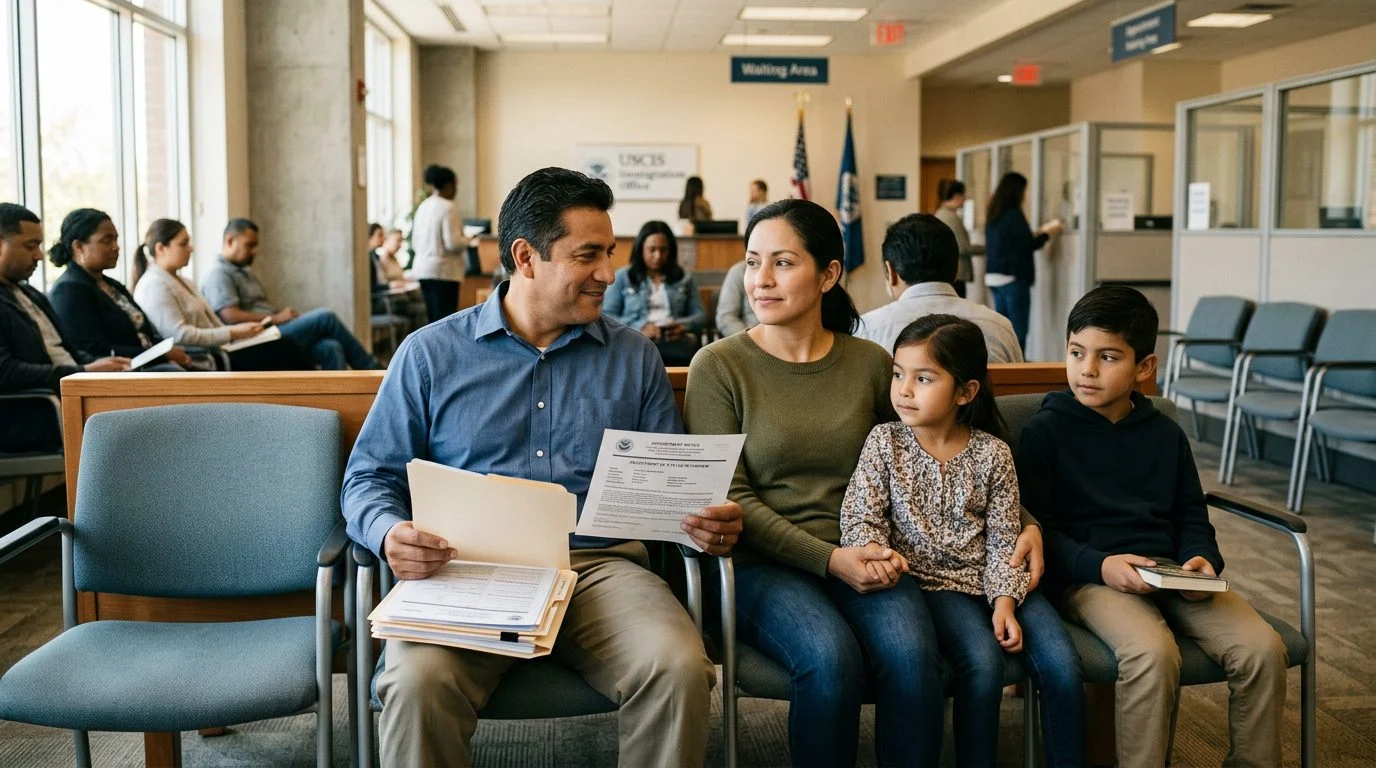
Adjustment of Status | Florida, Texas & New York
Adjustment of Status Representation for Immigrants Across the United States
AG Immigration Law P.A. focuses on adjustment of status and related immigration matters for clients in Florida, Texas and New York, including Miami, Broward County, Orlando, Houston, San Antonio and New York City.
By Adriana Gomez · Published November 6, 2026
Adjustment of Status Law Firm New York City
Adjustment of status lets an eligible person who was inspected and admitted or paroled into the United States, or who is a VAWA self-petitioner with an approved petition, apply for a green card without going to a consulate abroad. This guide explains how the process works, what can complicate it, and what representation covers. AG Immigration Law P.A. represents immigrants across the United States in adjustment of status matters, and New York City residents are welcome to contact the firm about their own case.
If you are in New York City with a petition pending or a question about filing your I-485, reach out to our team by phone, WhatsApp, or the contact form. Talk it through with our team — we can walk you through how a situation like yours is usually handled and what your options are.

What Adjustment of Status Is and Who It Is For
Adjustment of status is how a person who is physically present in the United States applies for a green card from inside the country, if eligible to receive an immigrant visa and one is immediately available at the time of filing, except an alien who is ineligible to apply for adjustment of status under paragraph (b) or (c) of this section. You file with USCIS instead of applying at a U.S. consulate abroad. 8 U.S.C. § 1255(a) says a person who was inspected and admitted or paroled into the United States, or who is a VAWA self-petitioner with an approved petition, may apply, must be eligible for an immigrant visa and admissible, and must have a visa immediately available when the application is filed.
Most cases fall into a few groups. Family-based cases usually rest on a petition from a U.S. citizen or green card holder relative. Employment-based cases rest on a job-based petition. Migration Policy Institute explains that adjustment covers people already in the country who move to permanent residence through family or employer sponsorship. The same source notes that refugees and asylees may apply for a green card after one year.
This guide is written for people in New York City who hold a valid status or have a petition pending. Many ask one question first: can I file from inside the country? The answer turns on your history. Your entry, your current status, and any past violations all matter.
What the Representation Covers
Representation covers the adjustment file, from the first eligibility check through the USCIS decision. Our work includes:
- Eligibility review. We check your current status and whether an immigrant visa is available when you file.
- Filing. We prepare the Form I-485 package and the supporting forms, including the affidavit of support.
- Evidence. We organize birth and marriage records, prior immigration papers, tax records, and translations where required.
- Interview and exams. We prepare you for the medical exam, biometrics, and the interview.
- Requests for evidence. We respond when USCIS asks for more documents.
- Related matters. Waivers, removal of conditions on a green card, family petitions, naturalization, removal defense if the case reaches immigration court, and BIA appeals can be reviewed together.
How the Adjustment of Status Process Works, Step by Step
The process moves in stages, from document review to a USCIS decision. Here is the usual order.
- Intake and document review. We review your status history, your petition, and your identity documents.
- Filing decision. We decide whether to file now, wait for a visa to become available, or fix a problem first.
- Filing. The I-485 package goes to USCIS with the required fees and evidence.
- Interview. An immigration officer interviews each applicant under 8 C.F.R. § 245.6, though the interview may be waived for a child under 14, for a clearly ineligible applicant, or when USCIS decides it is unnecessary.
- Decision. USCIS approves or denies the case. No appeal lies from any denial by the director under 8 C.F.R. § 245.2(a)(5)(ii). If you are not an arriving alien, you can renew the application in removal proceedings under 8 C.F.R. § 245.2.
Timing varies with USCIS workload and the facts of each case. Ask us to review your likely timeline before you file.
Issues That Can Complicate an Adjustment Case
Entry history, work history, and status problems are the most common complications. Each one can change which path is open to you.
- How you entered. The main rule covers people who were inspected and admitted or paroled into the country, under 8 U.S.C. § 1255(a). Other entries need a separate review.
- Under 8 U.S.C. § 1255(c), paragraph (2) excludes immediate relatives from its bar for applicants who continue in or accept unauthorized employment before filing, or who are in unlawful immigration status on the filing date. Paragraph (8) of subsection (c) covers any alien, other than an alien having an approved petition for classification as a VAWA self-petitioner, who was employed while the alien was an unauthorized alien, as defined in section 1324a(h)(3) of this title, or who has otherwise violated the terms of a nonimmigrant visa (8 U.S.C. § 1255).
- Unlawful presence. Some cases need a waiver. Whether a waiver applies depends on the facts of each case, so contact our office to discuss your situation.
- Removal proceedings. Under 8 U.S.C. § 1229b, the rule that a charging document does not toll the 3-year physical presence period applies only to applicants for special rule cancellation under § 1229b(b)(2). Under § 1229b(d)(1), continuous residence or continuous physical presence ends at the earliest of two events: when a notice to appear is served under § 1229(a), a trigger that does not apply to applicants under subsection (b)(2), or when the person has committed an offense referred to in § 1182(a)(2) that renders them inadmissible under § 1182(a)(2) or removable under § 1227(a)(2) or § 1227(a)(4).
- Financial sponsorship. A sponsor signs an affidavit of support, which works as a contract. Under 8 U.S.C. § 1183a, it stays enforceable until the immigrant has worked 40 qualifying quarters, among other conditions.
- Criminal history. Any past arrest or conviction must be reviewed before you file.
Early review matters. Questions about travel, prior applications, and past entries should be answered before any form is signed and filed.
Why Work With AG Immigration Law P.A.
AG Immigration Law P.A. focuses on removal defense and related immigration matters, including adjustment of status. The firm serves immigrants across the United States, including people in New York City, Florida, and Texas.
- Responsible lawyer. Adriana Gomez is the responsible lawyer for this page. Our team of assistants and office staff handles filings, document collection, and client communication.
- Coordinated practice. Adjustment, family petitions, waivers, naturalization, removal of conditions, and BIA appeals are reviewed together when one case affects another.
- Plain updates. We explain in plain language what has been filed, what is pending, and what you must provide next.
- Ways to reach us. You can call the office, message us on WhatsApp, or send your question through the contact form.
Not sure what your next step is?
Talk it through with our team — we can walk you through how a situation like yours is usually handled and what your options are.
Fees, Consultations and What Affects Cost
Consultations are paid, and the office confirms the fee before you meet. Each adjustment case has its own cost picture, so ask about the total before you commit.
Several factors change the cost:
- how many people are applying
- whether a waiver or removal issue is involved
- documents that need translation or extra gathering
- whether the case moves to immigration court or the BIA
Before representation starts, the firm states its fees in writing. That statement includes government filing fees. Results depend on each applicant’s facts. No lawyer can promise an approval or a set timeline.
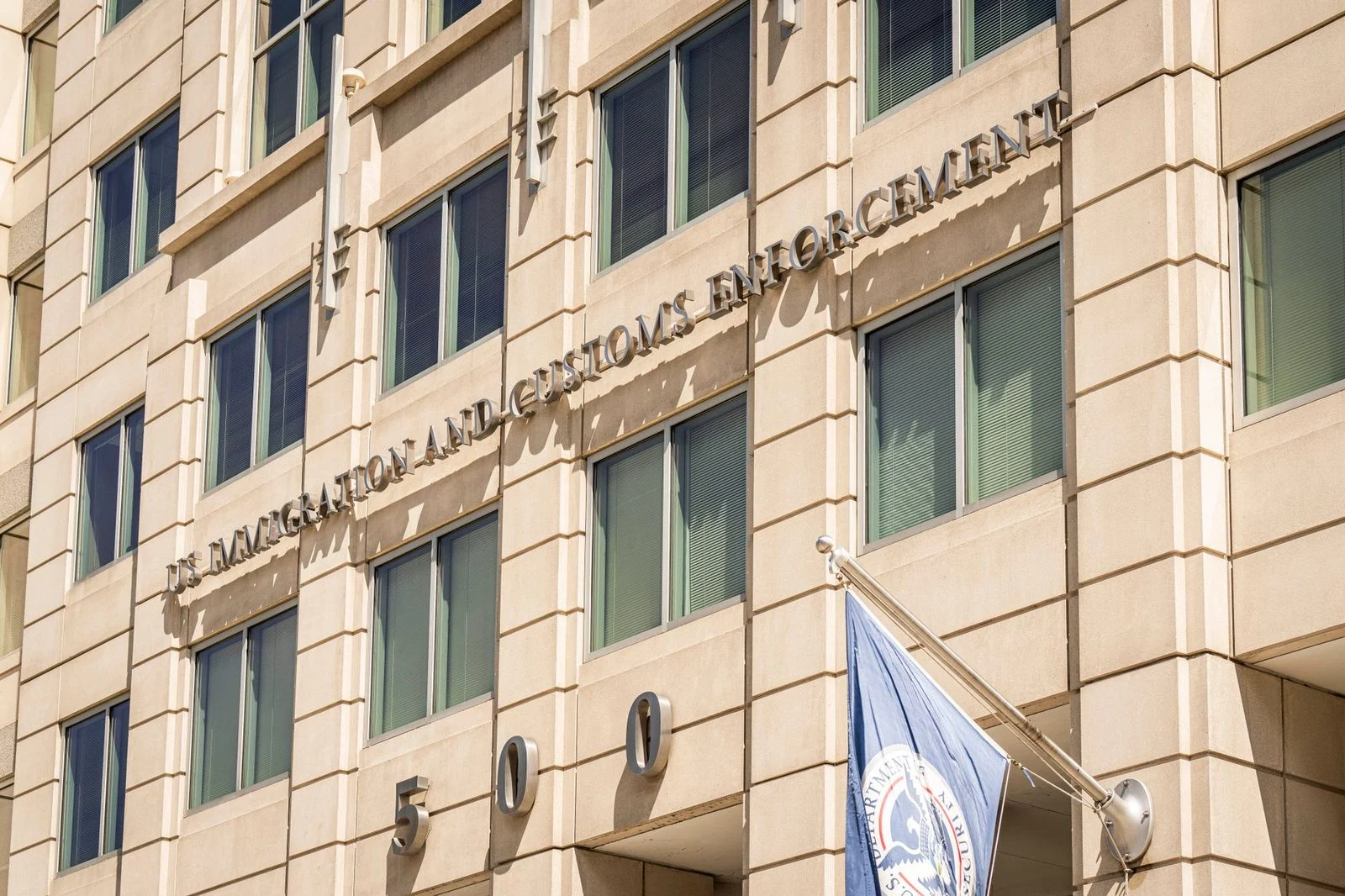
Frequently Asked Questions About Adjustment of Status in New York City
Can I adjust status if I entered without inspection?
Entry history matters a great deal. Under 8 U.S.C. § 1255(a), adjustment of status is available to an applicant who was inspected and admitted or paroled into the United States, among other categories, so other entries need a separate review.
How long does adjustment of status take?
Timing varies with USCIS workload and each case’s facts. Ask us to review your timeline before you file.
Do I have to leave the United States to adjust status?
The main rule lets an eligible person apply while physically present in the country, under 8 C.F.R. § 245.1. Travel while the case is pending can create problems, so ask first.
What if USCIS denies my I-485?
No appeal lies from a USCIS director’s denial. If you are not an arriving alien, you can still renew the case in removal proceedings, and removal defense may be needed.
If you are in New York City with a petition pending or a question about filing your I-485, reach out to our team by phone, WhatsApp, or the contact form.
How We Work With You on Adjustment of Status
Review Your Immigration History
We look at how you entered the United States, your prior filings and any past immigration encounters, since these details shape how a case should be handled.
Prepare Your Filing
Our team helps organize the forms, supporting evidence and documents needed for your adjustment of status application.
Coordinate Related Matters
When a family petition, waiver or other immigration issue is involved, we address how it fits into your overall case strategy.
Keep You Informed
We explain each step in plain language so you know what is being filed, what is pending and what to expect next.
Why Clients Contact AG Immigration Law P.A.
Focused Immigration Practice
Our work centers on immigration law, including adjustment of status, removal defense, family petitions, naturalization and BIA appeals.
Support Across Several States
We serve immigrants in Florida, Texas and New York, with a focus on the communities of Miami, Broward County, Orlando, Houston, San Antonio and New York City.
Multiple Ways to Reach Us
Contact us by filling out our contact form, calling the office or messaging us on WhatsApp.
Careful Case Planning
Adjustment of status cases often depend on details that are easy to overlook, so we review your record before anything is filed.
Do Not File Before Reviewing Your Case
Entry history, prior applications and immigration court records can change how an adjustment of status case is handled. Speak with our team before submitting forms or responding to government notices on your own.