

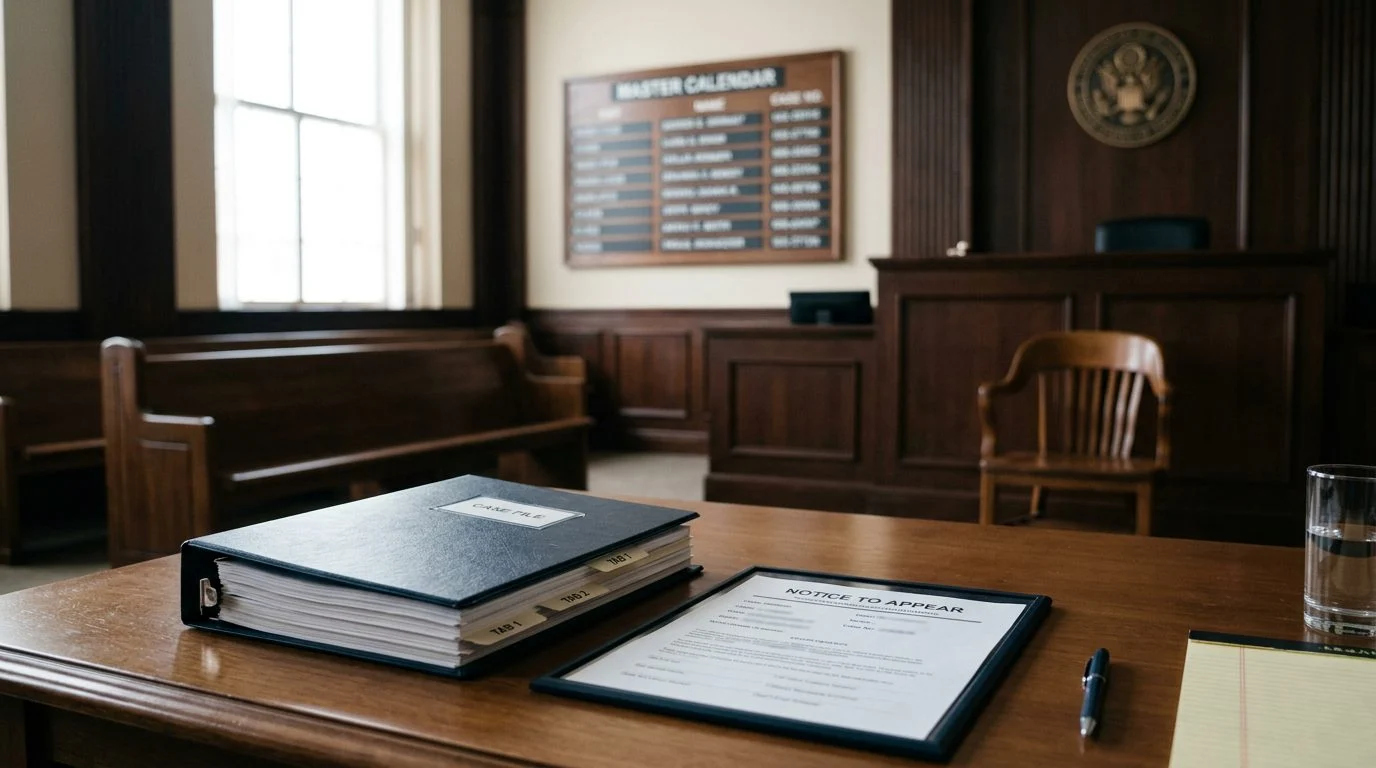
Removal Defense | Florida, Texas and New York
Removal Defense Representation When Your Case Is in Immigration Court
AG Immigration Law P.A. focuses on removal defense, including defensive asylum, and related immigration matters for immigrants in Florida, Texas and New York. Contact us to discuss your case.
By Adriana Gomez · Published October 31, 2026
Defensive Asylum Lawyer Florida | AG Immigration Law P.A.

If you have received a Notice to Appear or a hearing notice, contact our office right away so we can review your case and help you prepare. Talk it through with our team — we can walk you through how a situation like yours is usually handled and what your options are.
What Defensive Asylum Means After a USCIS Referral
Defensive asylum is an asylum claim you raise before an immigration judge after the government has started removal proceedings against you. A defensive asylum lawyer in Florida presents that claim in court, where the government can question your evidence and witnesses.
Many cases begin with an affirmative application. You file Form I-589 with USCIS, and an asylum officer interviews you. If the officer does not grant asylum and you appear inadmissible or deportable, the officer refers your case to an immigration judge with a charging document. Where charging documents may not be issued, the officer dismisses the application. 8 C.F.R. § 1208.14 sets out this rule, with exceptions: it does not apply to applicants described in paragraph (c)(4)(ii) who have not already been subject to proceedings in accordance with 8 CFR 235.3, and where charging documents may not be issued, the asylum officer shall dismiss the application.
That charging document is called a Notice to Appear.
In court, the judge decides whether you qualify as a refugee. The judge may then grant or deny asylum in the exercise of discretion to an applicant who qualifies as a refugee, unless otherwise prohibited in § 1208.13(c). 8 C.F.R. § 1208.14 You carry the burden of proof. Federal law allows a person who is physically present in the United States, or who arrives in the United States, to apply for asylum under the procedures the statute sets out.
Timing starts early. The one-year filing period runs from your last arrival in the United States, or from April 1, 1997, whichever is later. An exception may apply in some cases. 8 C.F.R. § 1208.4
This page is for non-detained people in Florida who have received a referral and a Notice to Appear.
What Representation Before the Immigration Judge Covers
A lawyer can represent you at your hearing. The rules allow representation by an attorney or other qualified representative. 8 C.F.R. § 1240.3 provides that the respondent may be represented at the hearing by an attorney or other representative qualified under 8 CFR part 1292.
- Reviewing your file. This means the Notice to Appear, the USCIS referral, your Form I-589, and any earlier statements.
- Writing your declaration. Judges compare your written and spoken statements, so consistency matters.
- Tying facts to a protected ground. Under 8 U.S.C. § 1158(b)(1)(B)(i), the applicant has to establish that race, religion, nationality, membership in a particular social group, or political opinion was or will be at least one central reason for persecuting the applicant.
- Gathering evidence. Documents, photos, medical or police records, and reports can support your account. The testimony of the applicant, if credible, may be sufficient to sustain the burden of proof without corroboration (8 C.F.R. § 1208.13(a)). Under 8 U.S.C. § 1229a, an immigration judge conducts proceedings for deciding whether a person is inadmissible or deportable.
- Presenting country conditions.
- Preparing testimony. You will answer questions from the judge and from the government’s side.
- Related relief. Withholding of removal and protection under the Convention Against Torture may be raised when the facts support them. 8 C.F.R. § 1208.16
- Criminal record review. Some records can affect eligibility, so we review them before you file or testify.
How the Process Works, Step by Step
Your case moves from the Notice to Appear to hearings, then a decision, and then possibly an appeal. These are the typical steps.
- Consultation. We review the referral, the Notice to Appear, your I-589, and your timeline.
- Filings and evidence. We prepare your asylum application and supporting evidence. The Department of Homeland Security (DHS) can ask the judge to deny an application that does not state a prima facie claim. 8 C.F.R. § 1208.13
- Individual hearing. You testify, and the judge assesses your credibility.
- Decision. The judge grants or denies asylum, or decides other relief.
- Appeal. An appeal to the Board of Immigration Appeals is filed on Form EOIR-26 and must state the findings or conclusions you challenge. 8 C.F.R. § 1003.3
The timeline depends on the facts of each case and the court’s schedule. We discuss it at your consultation.
Not sure what your next step is?
Talk it through with our team — we can walk you through how a situation like yours is usually handled and what your options are.
Why Work With AG Immigration Law P.A.
AG Immigration Law P.A. focuses on removal defense, and asylum before the immigration court is part of that work. The firm also handles BIA appeals, waivers, adjustment of status, family petitions, naturalization, and removal of conditions on green cards.
- Responsible lawyer. Adriana Gomez is the lawyer responsible for this page. Our support staff and assistants keep the office work moving.
- Connected practice areas. Asylum links to BIA appeals, waivers, and criminal record review. Each one is handled as its own matter.
- Plain communication. We explain each filing, deadline, and hearing in everyday language.
- Honest expectations. No lawyer can promise how a judge will rule. We focus on the law, the evidence, and the next step.
- Possible referral. Some matters may be referred to another lawyer or firm. If that happens, we will tell you.
Common Questions About Defensive Asylum in Florida
Do I need a defensive asylum lawyer in Florida?
You may have a lawyer represent you at the hearing. A lawyer helps prepare filings, evidence, and testimony.
What if I have a criminal record?
Some records can affect eligibility. We review them before you file or testify.
Under 8 U.S.C. § 1229a, a motion to reopen must generally be filed within 90 days of the date of entry of a final administrative order of removal.
Can the case be reopened if conditions change?
The statute has no time limit for a motion to reopen, if the basis of the motion is to apply for relief under sections 1158 or 1231(b)(3) of this title, based on changed country conditions. The new evidence must be material and must not have been available earlier.
Can my family be included?
Whether a spouse or child can be part of your claim is a question we review at the consultation.
How long does the process take?
The timeline depends on the court’s schedule. We explain what to expect for your case.
Preparing for Your Consultation
Bring your court papers, USCIS records, and a written timeline to your consultation. Gather these items before you reach out:
- The Notice to Appear and any hearing notice
- The USCIS referral letter and a copy of Form I-589
- USCIS receipts or decisions
- Dates of each entry into the United States, and any prior applications or immigration records
- A timeline of threats or harm, with dates, places, and the people involved
- Identity documents, police or medical records, photos, and messages tied to the claim
Consultations are paid, and we explain the fee when you contact our office.

Contact AG Immigration Law P.A. About Your Asylum Referral
If USCIS referred your asylum claim and a Notice to Appear now puts your case before an immigration judge, the next filings and hearing dates matter. Reach out through our contact form, call our office, or send a WhatsApp message. We will help you schedule a consultation with Adriana Gomez.
Have questions about what happened?
Ask our team directly. Tell us what you are dealing with and we will explain how the process works from here.
Why Immigrants Work With Our Office
A Focused Practice
We focus on removal defense and closely related immigration matters, so your case is handled by a team that works in this area every day.
Careful Preparation
We help organize filings, evidence and testimony well before your hearing, so you know what to expect in court.
Support From Our Staff
Our assistants and office staff help keep your paperwork, hearing dates and communication on track.
Clear Communication
We explain each step in plain language and answer your questions by phone, email, contact form or WhatsApp.
Do Not Ignore Court Notices
If you have received a Notice to Appear or a hearing notice, contact our office right away so we can review your case and help you prepare.
Immigration Services We Handle
Removal Defense and Asylum
Representation in immigration court for people facing removal proceedings, including defensive asylum claims, filings and hearing preparation.
Green Cards and Adjustment of Status
Help with adjustment of status applications and removal of conditions on green cards, with attention to the documents each case requires.
Family Petitions and Naturalization
Guidance on family-based petitions and naturalization applications, from gathering records to preparing your submission.
Waivers and BIA Appeals
Support with immigration waiver applications and appeals to the Board of Immigration Appeals, including review of the record and written arguments.
Talk With Our Office About Your Immigration Case
Related practice areas
- Deportation Defense Attorney for Immigration Court: Removal Proceedings Explained