

Removal Defense | Florida, Texas & New York
Removal Defense Representation for Immigrants Facing Deportation
AG Immigration Law P.A. focuses on removal defense. Adriana Gomez and our team help immigrants understand their charges, prepare for immigration court, and build a defense in proceedings before the Immigration Court.
By Adriana Gomez · Published October 30, 2026
Removal Defense Services | AG Immigration Law
A deportation defense attorney represents you in immigration court after the government starts removal proceedings. This guide explains what that work involves for readers in Miami and Broward County who have immigration court papers in hand.

If you have immigration court papers in hand, bring them and reach out to our office to book a paid consultation. Talk it through with our team — we can walk you through how a situation like yours is usually handled and what your options are.
What Deportation Defense Means and Who It Is For
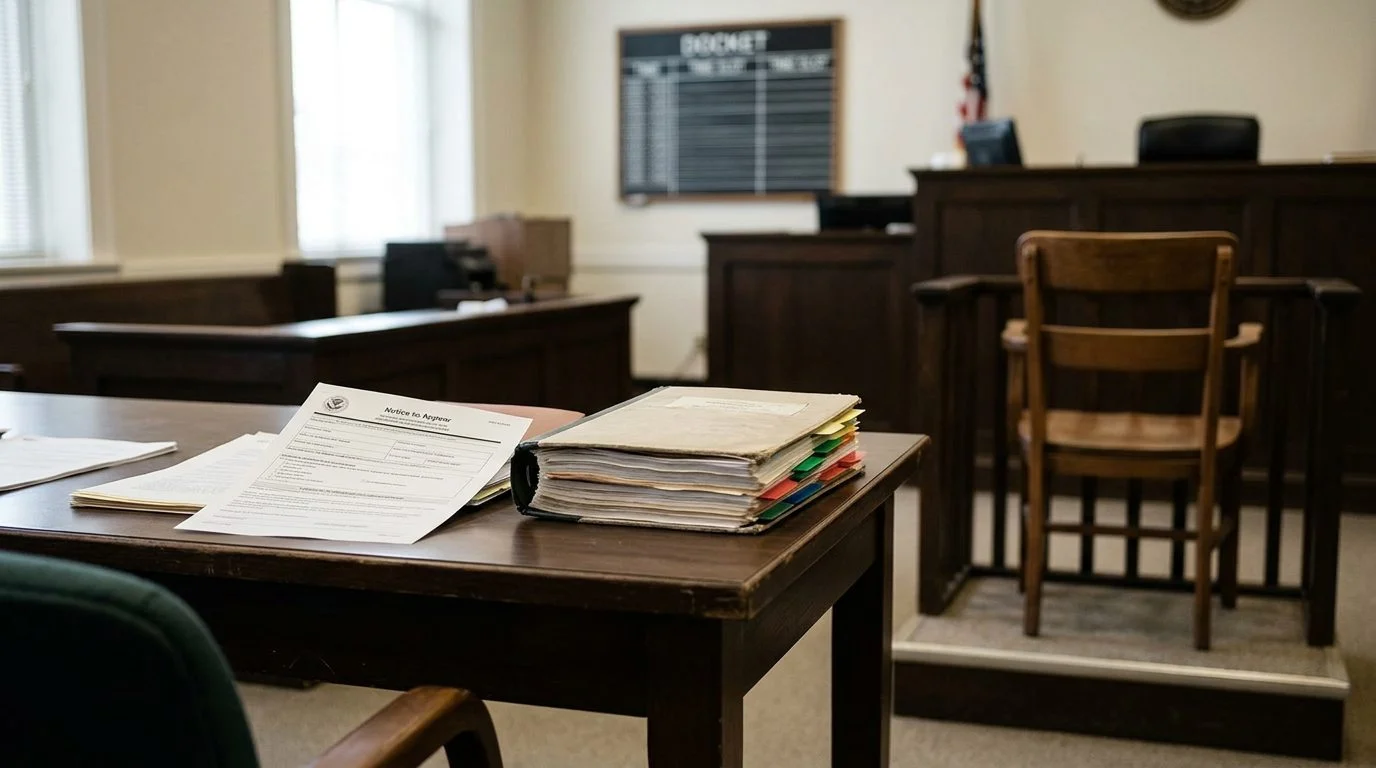
Deportation defense, also called removal defense, means representing you in immigration court. The goal is to contest removal and pursue any relief the facts support. Removal proceedings start with a Notice to Appear. The law says that notice must list the acts alleged to violate the law, the charges, and the statutes the government relies on. It must also say you may be represented by counsel (8 U.S.C. § 1229).
This service fits people who:
- Received a Notice to Appear or a hearing notice
- Have a removal order, or an older order the government may try to reinstate
- Are held in immigration custody and need a bond request
- Have a family member in removal proceedings and need help understanding the case
You may be represented at the hearing by an attorney or another qualified representative (8 C.F.R. § 1240.3). For the full practice map, see our removal defense overview.
What Removal Defense Covers
Removal defense covers the court work from the first hearing through any appeal. Here is what that work includes:
- Entering an appearance. The attorney files Form EOIR-28 and becomes the practitioner of record. That lets the attorney appear and file documents for you (8 C.F.R. § 1003.17).
- Reviewing the charges. We check whether the government can prove each charge in the Notice to Appear.
- Protecting your hearing rights. The law gives you a reasonable chance to examine the government’s evidence, present your own, and cross-examine its witnesses, but not to examine national security information the government offers against you (8 U.S.C. § 1229a).
- Identifying relief. We look at waivers and other relief your facts may support.
- Building evidence. This includes witness statements, hardship records, and country documents.
- Filing motions. This includes motions to reopen and requests for bond.
- Appeals. We handle appeals to the Board of Immigration Appeals after an immigration judge decides your case.
If your defense centers on asylum, read our guide to defensive asylum representation in Florida.
Removal Defense Options by Situation
Which relief is open to you turns on your facts and your history. Several situations change the strategy early.
- Detained or not detained. Custody changes the urgency. A bond request may be made orally, in writing, or, at the judge’s discretion, by telephone (8 C.F.R. § 1003.19). If DHS determines that you should not be released or sets bond at $10,000 or more, and files Form EOIR-43 within one business day, the judge’s release order is stayed pending appeal.
- Prior removal orders. A person who illegally reenters after removal can have the old order reinstated, with no hearing before an immigration judge (8 C.F.R. § 1241.8). A pending adjustment application under HRIFA or NACARA changes that result.
- It will not be granted unless the immigration judge is satisfied that the evidence is material and was not available and could not have been discovered or presented at the former hearing (8 C.F.R. § 1003.23).
- See our guide on criminal record asylum after referral.
- Asylum paths. Learn how defensive versus affirmative asylum works after a referral.
Options are identified only after a review of your documents. A deportation defense attorney needs the actual papers, not a summary, to judge which paths are open.
How the Removal Defense Process Works
Removal cases move in stages. They start with a document review and end with the judge’s decision and any appeal.
Step 1: Contact the office
Gather the Notice to Appear, hearing notices, any prior orders, and your immigration papers. Bring them to your first meeting.
Step 2: Document review
We review the charges and write out the possible paths. You receive that explanation in writing.
Step 3: Master calendar hearing
The attorney appears, and the court sets next steps and deadlines. Each date on the court’s calendar matters, so track every notice.
Step 4: Evidence and the individual hearing
We prepare the relief application and the supporting evidence. Then the case moves to an individual merits hearing before the immigration judge.
Step 5: Decision and appeal
If the judge orders removal, the judge must tell you the right to appeal that decision and the consequences for failure to depart under the order of removal. A Notice of Appeal (Form EOIR-26) must come with the fee or an Appeal Fee Waiver Request (Form EOIR-26A). Any issue not raised in that notice is waived (8 C.F.R. § 1003.38).
A common mistake is assuming a motion pauses the order. Except in cases involving in absentia orders, filing a motion to reopen or reconsider does not stay the decision unless a stay is specifically granted (8 C.F.R. § 1003.23).
The court sets hearing dates on its own schedule, so timing varies by case.
If you receive a Notice to Appear or any notice from the immigration court, contact our office right away. Talk it through with our team — we can walk you through how a situation like yours is usually handled and what your options are.
Why Work With AG Immigration Law P.A.
AG Immigration Law P.A. focuses on immigration law, with removal defense as a core practice. The firm’s practice areas include:
- Removal defense
- Adjustment of status
- Family petitions
- Naturalization
- Removal of conditions on green cards
- Waivers
- BIA appeals
Adriana Gomez is the responsible lawyer for this page. Our team, including assistants and office staff, helps with scheduling, document organization, and client communication. Each step on this page links to the rule that governs it, so you can check the source. If a matter may need to go to another lawyer or firm, we will tell you that.
Consultations, Fees, and What to Expect Financially
The initial consultation with AG Immigration Law P.A. is a paid consultation. It covers a review of your documents, an explanation of your options, and the next steps. It also shows you the deadlines and gaps in your papers before you decide what to do next.
Government filing fees are separate from the consultation fee. For example, an appeal to the Board needs the appropriate fee or a fee waiver request (8 C.F.R. § 1003.38). The total cost depends on the facts and the relief sought.
Frequently Asked Questions
Can I be deported if I have a Notice to Appear?
A Notice to Appear starts removal proceedings. It lists the charges, and an attorney can review those charges and your court deadlines with you.
Do I have the right to an attorney in immigration court?
You may be represented by an attorney at your hearing. Hiring one is your choice.
What happens if I miss my hearing?
If you do not attend after proper written notice, you shall be ordered removed in absentia when the government proves notice and removability by clear, unequivocal, and convincing evidence (8 U.S.C. § 1229a).
Can you help if I have a criminal record?
A criminal record can affect your options, and each case is reviewed on its facts. Read our guide on criminal record asylum after referral to see how these questions arise.
What should I bring to the first meeting?
Bring the Notice to Appear, any hearing notices, prior orders, and your immigration papers. The attorney reviews them during your paid consultation.

Next Step After Your Hearing Notice
A Notice to Appear or a hearing date starts a deadline-driven process. Early review helps you understand your options before the first hearing.
If you have immigration court papers in hand, bring them and reach out to our office to book a paid consultation. You can use the contact form, call the office, or message us on WhatsApp. The team confirms your consultation, Adriana Gomez reviews your documents with you, and your options are explained in writing.
Not sure what your next step is?
Talk it through with our team — we can walk you through how a situation like yours is usually handled and what your options are.
How We Approach Your Removal Case
Reviewing Your Charges
We read your Notice to Appear closely, explain each charge in plain language, and identify the issues that matter in your case.
Tracking Court Dates
We help you keep track of every hearing and filing so nothing is missed while your case moves forward.
Building Your Defense
We assess the relief and defenses that may be available to you and prepare the evidence and arguments to support them.
Clear Communication
You will know what to expect at each stage, and you can reach our office with questions by phone, WhatsApp, or our contact form.
Do Not Ignore Immigration Court Papers
If you receive a Notice to Appear or any notice from the immigration court, contact our office right away. Missing a hearing can seriously affect your case.
Removal Defense Services
Removal Proceedings
Representation in removal proceedings, from the first master calendar hearing through individual hearings on the merits.
Relief From Removal
Evaluation of applications for relief from removal and preparation of the filings and evidence those applications require.
Appeals to the BIA
Preparation of appeals to the Board of Immigration Appeals for cases that require further review.
Related Immigration Filings
Coordinated help with adjustment of status, family petitions, naturalization, removal of conditions on green cards, and waivers when they connect to your case.
Facing Removal? Talk With Our Team About Your Case
Related practice areas
- Removal Defense Services | AG Immigration Law