

BIA Appeals | AG Immigration Law P.A.
Missing a Briefing Schedule Can Cost Your Appeal
Here is how the Board's briefing order works, what each date asks of you, and how to keep your appeal on track.
By Adriana Gomez · Published November 10, 2026
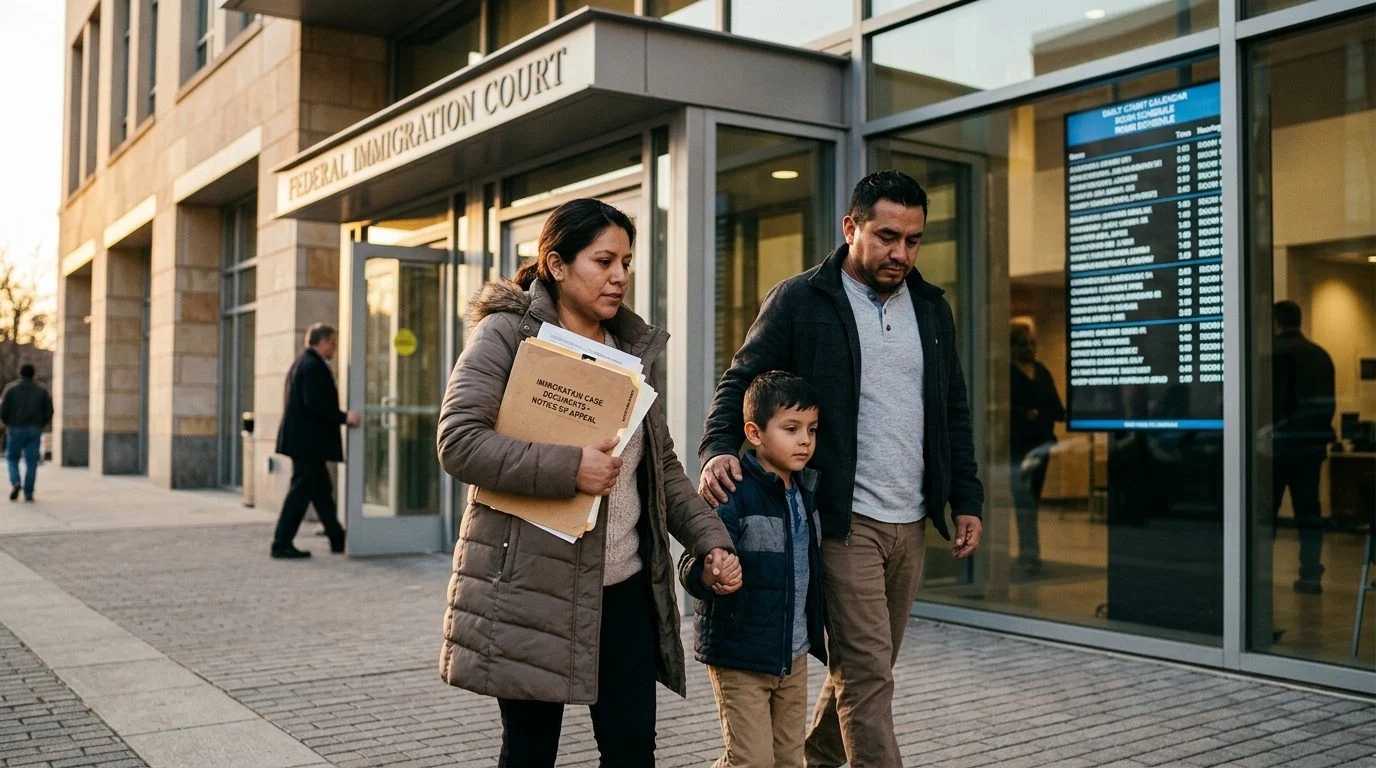
So, what is a briefing schedule? It is the set of dates the Board of Immigration Appeals (BIA) gives each side for filing written arguments in an appeal. If you hold a notice with a briefing date, missing it can change what happens next, so it’s worth understanding now.
What a briefing schedule is
A briefing schedule sets the dates when each side must file its written arguments. In a BIA appeal, the Board sets that schedule unless it dismisses the appeal first (8 CFR 1003.3). The schedule keeps the appeal moving in order, so each side knows when its filing is due.
A brief is a written argument. It explains why you think the immigration judge’s findings or conclusions were wrong. When no transcript is needed, both sides file their briefs at the same time, within 20 days of the Board’s order setting the schedule. In those no-transcript appeals, the deadline is never more than 35 days after the appeal was filed; when a transcript is warranted, briefs are due within 20 days of the Board’s order setting the schedule and making the transcript available (8 CFR 1003.3).
Keep the Board’s order with your case papers. It is the document that starts your clock. In immigration court, the judge may set and extend time limits for filings (8 CFR 1003.31).
If a briefing notice has you worried about your own case or a family member's, you don't have to work out the dates alone. Our team can talk it through with you. Talk it through with our team — we can walk you through how a situation like yours is usually handled and what your options are.

Where briefing schedules show up
Briefing schedules show up mainly in appeals to the BIA. The first step is the Notice of Appeal from a Decision of an Immigration Judge (Form EOIR-26). You file it directly with the Board within 10 calendar days of the immigration judge’s decision. In asylum cases where the immigration judge did not deny the application under 208(a)(2)(A), (B), or (C) of the Act, the deadline is 30 days (8 CFR 1003.38).
The notice must give the reasons for the appeal. Failing to do so may be a ground for dismissal (8 CFR 1240.15).
Once the appeal is in and not dismissed, the Board sets the briefing schedule. A reply brief works differently. The Board won’t accept one unless it has invited or ordered a party to file it (8 CFR 1003.3). Each step has its own clock, so an early deadline can shape what you can argue later.
Removal cases can reach the BIA this way. Our removal defense services cover the immigration court stage that comes before an appeal.
How to read the dates in a briefing schedule notice
Start by finding three things: the deadline, the date it counts from, and where the filing goes. The clock runs from the date of an oral decision, or from the mailing or electronic notice of a written decision. If the last day falls on a weekend or legal holiday, the deadline moves to the next business day (8 CFR 1003.38).
Read the whole notice, not just the date. Follow any instructions it gives exactly. Write the due date on a calendar as soon as the notice arrives, then set earlier reminders so you have time to review the record and draft.
Address rules matter too. Within five working days of any change of address, you must give written notice on Form EOIR-33 (8 CFR 1003.38).
Every brief, filing, and motion filed in conjunction with an appeal must include proof of service on the opposing party (8 CFR 1003.3). Keep a copy of each filing and the date you sent it, so you can show what you did.
What happens if a briefing deadline is missed
A missed deadline can cost you issues and, in some cases, the appeal itself. Under this rule, an issue that is not raised in the Notice of Appeal (Form EOIR-26) is deemed waived (8 CFR 1003.38). An appeal also needs the fee or an Appeal Fee Waiver Request (Form EOIR-26A). Without one filed within the specified time period, the appeal is not properly filed, and the immigration judge’s decision becomes final to the same extent as though no appeal had been taken (8 CFR 1003.38).
The Board may summarily dismiss an appeal that fails essential requirements (8 CFR 1003.1). For decisions issued on or after March 9, 2026, the Board shall summarily dismiss an appeal unless a majority of the permanent Board members vote en banc to accept it for adjudication on the merits, except for appeals under paragraphs (b)(5), (6), (7), and (14) of that section (8 CFR 1003.1).
Can the BIA accept a late brief?
Maybe, but only at the Board’s discretion. The Board may consider a brief filed out of time, but it is not required to (8 CFR 1003.3).
Can I get more time?
The Board will not extend the schedule except, as a matter of discretion, in exceptional circumstances. Workload and travel plans, or similar concerns within the control of either party, don’t count as exceptional circumstances (8 CFR 1003.3). What happens next depends on the facts of your case and the stage it is in.
Talk with AG Immigration Law about your briefing schedule
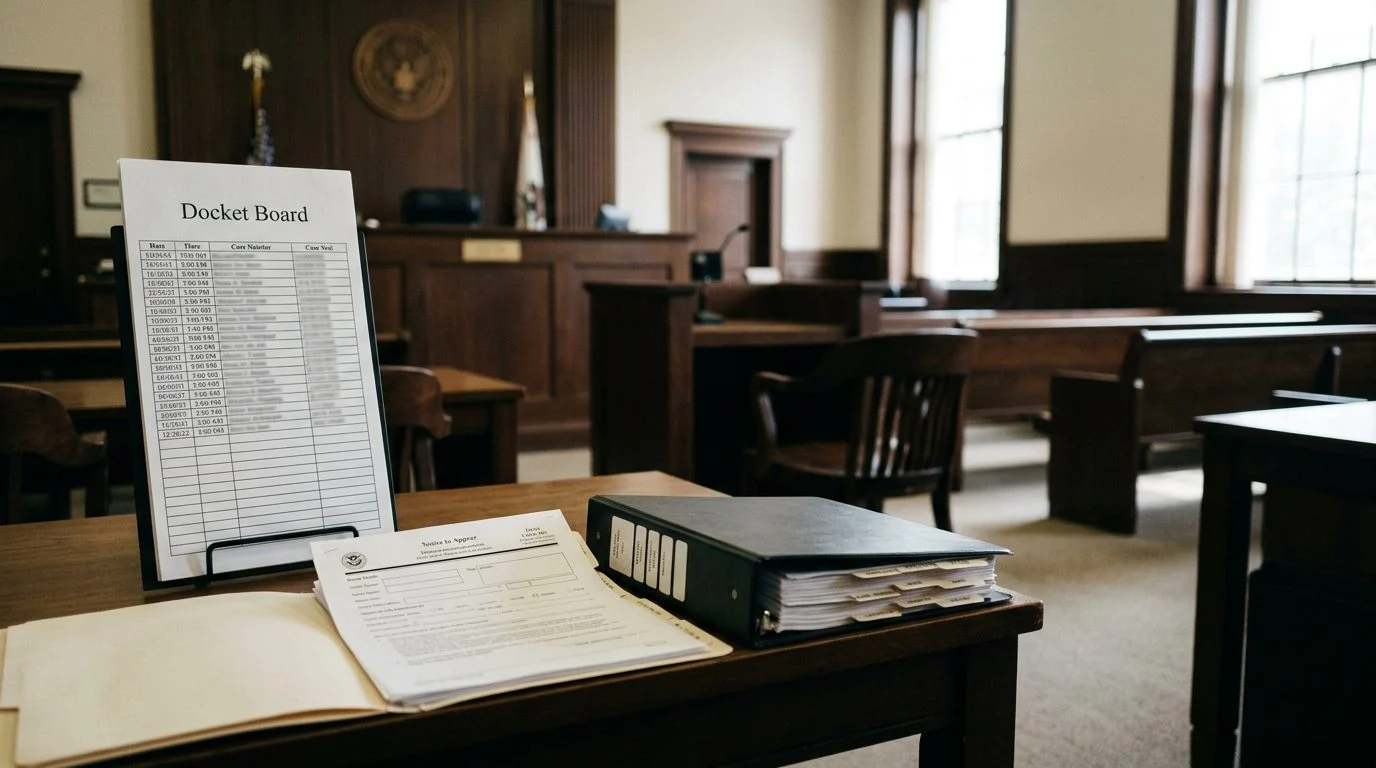
A briefing notice often arrives at a hard time. You may be worried about your own case or about a family member in proceedings. You may never have expected an appeal at all. Legal words like “briefing schedule” and “summary dismissal” can be hard to follow on your own.
If you have a notice in hand, you can reach out through the contact form, by phone, or by WhatsApp. You can also contact our office to go over your notice and the dates in your case.
How AG Immigration Law Supports Your Appeal
Tracking Every Date
Our team tracks each filing date from the Board's briefing order so nothing slips past you.
Preparing Strong Briefs
We organize the record, identify the issues on appeal, and prepare written arguments for the Board.
Protecting Your Case
When a schedule is unclear or a request for more time is needed, we raise the issue promptly.
Focused Immigration Practice
Our practice focuses on removal defense, BIA appeals, and related immigration matters.
Do Not Wait to Check Your Schedule
A briefing schedule can be short and strict. Review the Board's order as soon as it arrives and bring it to our office right away.
Steps to Take When You Receive a Briefing Schedule
1. Read the Order Closely
Note every date, filing requirement, and instruction in the Board's notice. Do not rely on memory.
2. Gather the Record
Collect the decision, transcripts, and supporting documents so the appeal can be built on a complete file.
3. Ask Early About Extensions
If you believe you need more time, speak with counsel before the current date passes. Requests are not automatically granted.
4. File and Confirm
Submit your brief on schedule and keep proof of filing. Confirm that the Board has received it.